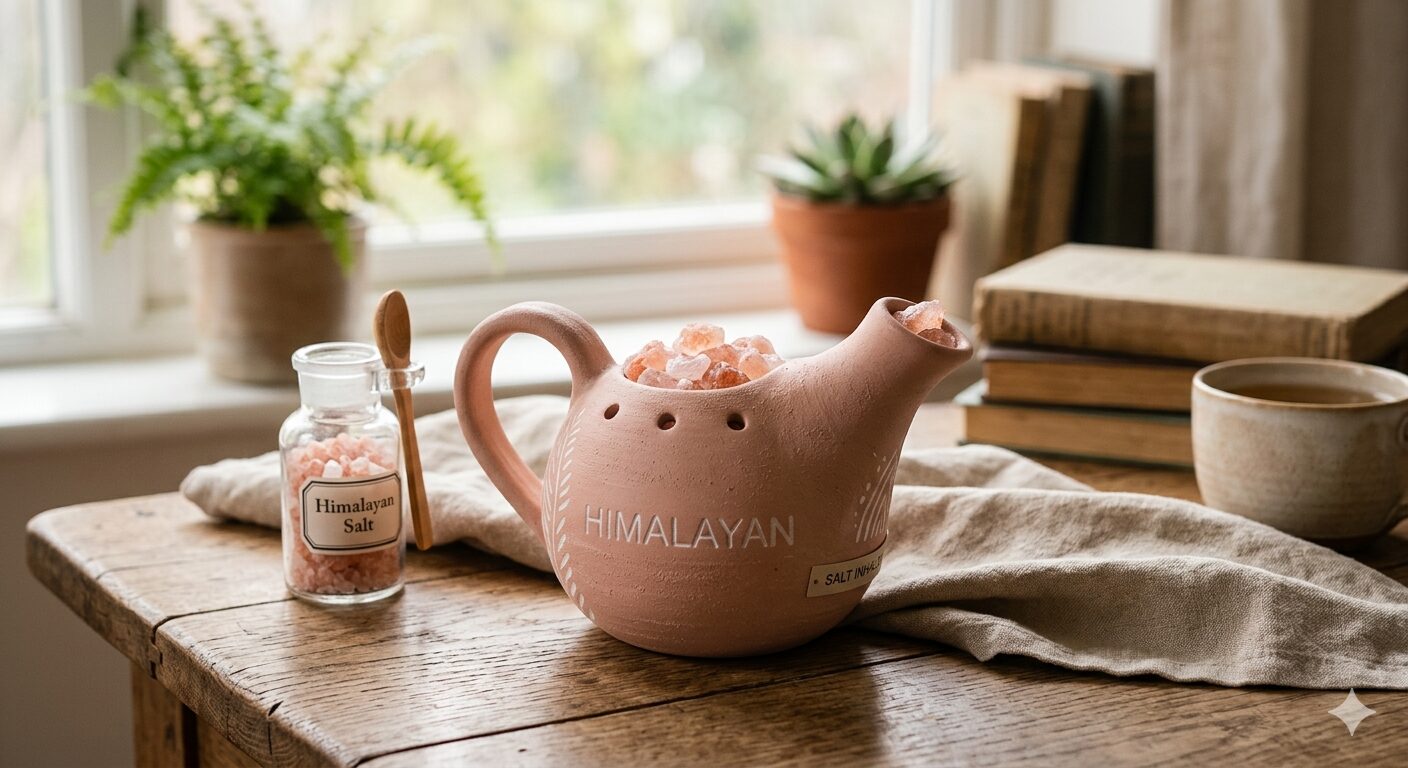
Let’s be honest — most of us have heard about Himalayan pink salt in the kitchen. Maybe you’ve used it on eggs, or seen a friend’s rosy pink salt lamp glowing on a shelf. But here’s something a lot of people don’t know: that same ancient salt from the mountains of Pakistan has been used for breathing too. And not just in fancy spas. A Himalayan salt inhaler — sometimes called a salt pipe — is a small ceramic or plastic device filled with Himalayan pink salt crystals.
You breathe in slowly through the mouthpiece, and the air passing over those crystals picks up tiny salt particles and carries them into your airways. That’s it. No electricity, no medication, no complicated setup.
It sounds almost too simple, doesn’t it? But people have been doing this for a long time — and there’s a real reason why.
Where Did This Idea Come From?
The practice of inhaling salt air has ancient roots. Centuries ago, people in Eastern Europe visited natural salt caves to help with respiratory issues. Salt miners, interestingly, had notably fewer lung problems than workers in other mines. This practice became formalized as halotherapy — from the Greek word halos, meaning salt.
According to Wikipedia’s article on halotherapy, the concept dates back to the 1800s when a Polish physician noticed that salt mine workers had unusually good respiratory health. From cave therapy to modern salt rooms to portable inhalers — the idea has simply evolved.
The inhaler is the at-home version of that experience. You don’t need to travel to Poland or book a salt spa session. You just breathe through a small device for a few minutes a day.
What’s Actually Inside a Salt Inhaler?
The key ingredient is the salt itself. And not just any salt — specifically Himalayan pink salt, which comes from ancient sea beds deep in the Khewra Salt Mine in Pakistan, formed over 250 million years ago.
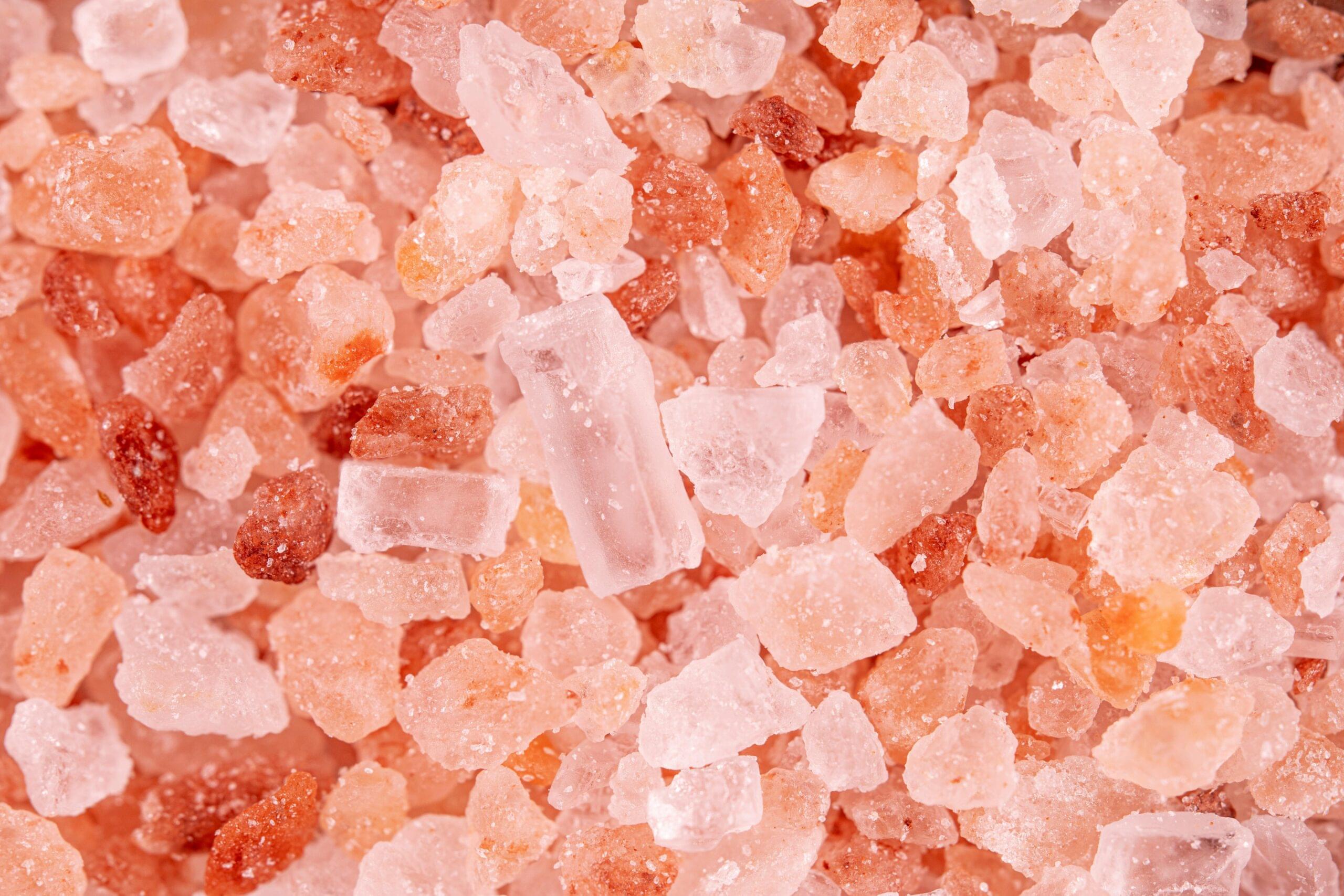
What makes this salt distinct is that it hasn’t been processed or bleached. It contains trace minerals — iron, magnesium, calcium, and others — which give it that characteristic pink color. When you inhale through a salt pipe filled with these crystals, you’re getting that same mineral-rich air in a very gentle, dry form.
If you’re looking for pure, high-quality Himalayan salt, Himalayan Pink Salt is a wholesale manufacturer and processor — meaning the salt goes from the source straight to you, without unnecessary processing in between.
How Do You Actually Use One?
Using a salt inhaler is genuinely one of the simplest wellness habits you can build. Here’s how it typically works:
Put the mouthpiece to your lips. Inhale slowly and steadily through your mouth. Exhale through your nose. Repeat for about 15 to 20 minutes a day — many people do it first thing in the morning or in the evening while reading or watching TV.
The inhaler itself is reusable. Most come pre-filled with salt that lasts for years because the crystals don’t get used up — the air just flows over them. When the crystals eventually dissolve or break down, you simply refill with fresh pink salt crystals.
If you already stock coarse or fine grain salt at home, you likely have everything you need for a refill. Products like Coarse Pink Himalayan Salt or Fine Himalayan Pink Salt work well depending on what your inhaler specifies.
What Do People Actually Use It For?
Let’s talk about the real reasons people reach for a salt inhaler. Most of them come down to the airways.
Seasonal allergies and congestion — Salt has natural antimicrobial properties. Many people find that regular salt inhalation helps clear out the nasal passages and reduces that thick, blocked feeling that comes with seasonal allergies or dusty environments.
Dry or irritated airways — If you live somewhere with dry air, work in air conditioning all day, or breathe a lot of filtered indoor air, your airways can feel parched and irritated. Salt inhalation adds a gentle moisture balance to the air you’re breathing.
Snoring — Some people report reduced snoring after consistent salt pipe use, likely because the passages are clearer at night.
Post-exercise recovery — Athletes and active people sometimes use salt inhalers after intense cardio to soothe the airways and support recovery.
General respiratory wellness — Even without a specific condition, many people simply use a salt inhaler as a daily ritual — like flossing or taking a walk. It’s preventive rather than reactive.
It’s worth being clear: a salt inhaler isn’t a medical device and it’s not a substitute for prescribed medication. But as a complementary wellness practice, it’s one that’s been around long enough to have earned its place.
The Salt Makes All the Difference
Not all Himalayan salt products are equal. The purity of the salt matters — especially when you’re breathing it. Salt that’s contaminated, mixed with fillers, or over-processed won’t deliver the same mineral profile.
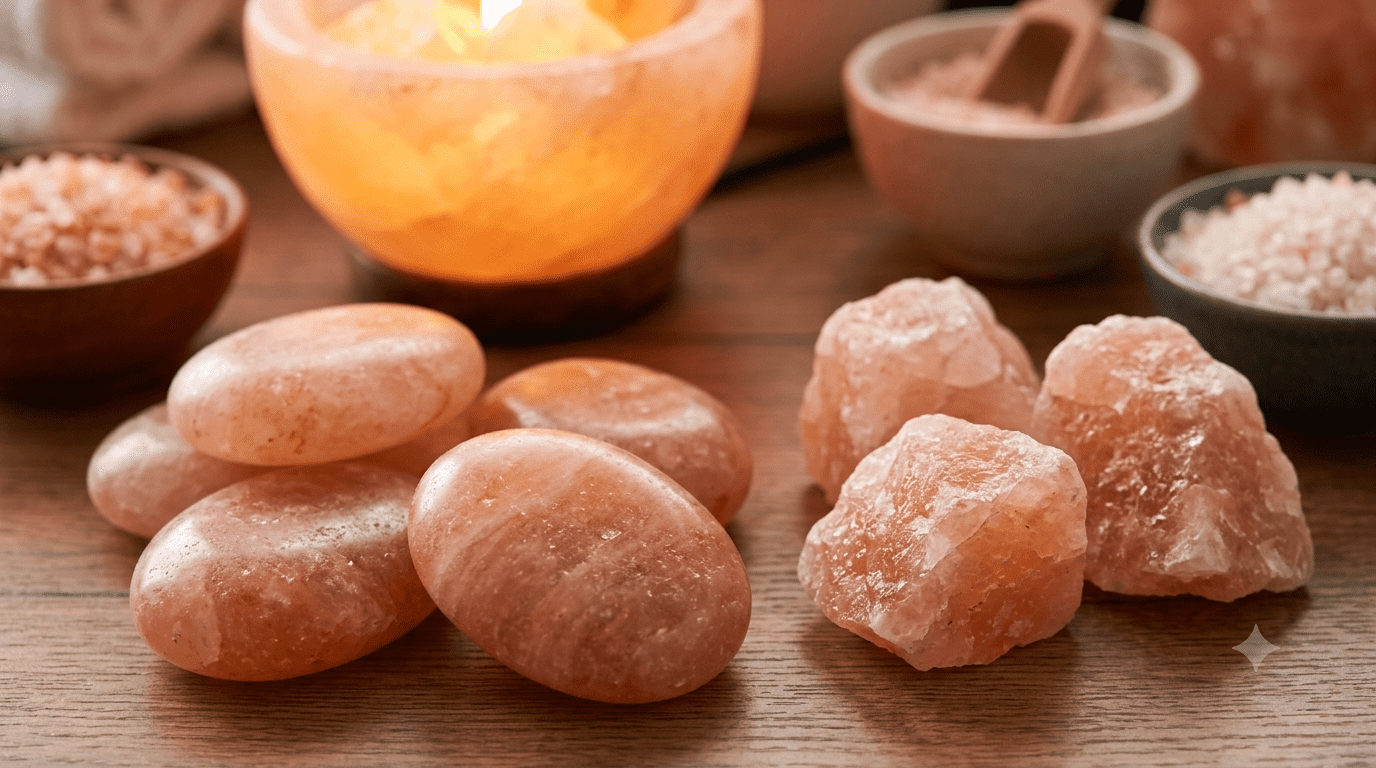
That’s why sourcing matters. Himalayan Pink Salt works directly as a manufacturer and processor, which means quality control happens at the source. Whether you’re filling an inhaler, using Bath Salt for a relaxing soak, or keeping Himalayan Rock Salt Chunks in a bowl as a natural humidifier — the difference is in the purity.
For those who want to source in bulk — perhaps for a wellness business, a spa, or just stocking up — Private Labeling is also an option, which lets you sell or use the product under your own brand.
What About Salt Lamps — Are They Related?
Sort of. Natural Salt Lamps work on a slightly different principle — the heat from the bulb causes the salt to absorb and then release moisture from the air, which some people believe helps with air quality and creates a calming atmosphere. They’re not the same as inhaling through a pipe, but they do share the same raw material and the same philosophy: letting nature do the work.
Similarly, Salt Tiles & Bricks are sometimes used in salt rooms or home wellness setups where the idea is to sit in a salt-rich environment — essentially a DIY version of a salt cave.
A Small Habit With a Quiet Impact
Here’s what I genuinely appreciate about salt inhalers: they ask very little of you. Fifteen minutes, once a day, with a simple device and some quality salt. No subscription, no side effects to navigate, no steep learning curve.
For people who deal with seasonal congestion, dry air, or just want to add a grounding wellness ritual to their routine — it’s an easy yes. And because it uses a product as ancient and natural as Himalayan pink salt, there’s something satisfying about that simplicity.
Whether you’re new to halotherapy or you’ve been a fan for years, the quality of the salt you use matters. And starting with a pure, unprocessed source — like what’s available from a dedicated manufacturer — is the right way to do it.
FAQs About Himalayan Salt Inhalers
Q1: How long should I use a Himalayan salt inhaler each day?
Most recommendations suggest 15 to 20 minutes of use per day. Some people split this into two sessions — morning and evening. Consistency matters more than duration, so shorter daily sessions are better than irregular longer ones.
Q2: Can children use a salt inhaler?
Many parents do use salt inhalers for children, but it’s always worth checking with a pediatrician first, especially for young kids. The practice is generally considered safe for adults as a wellness habit.
Q3: How long does the salt in a Himalayan salt inhaler last?
The crystals can last anywhere from one to five years depending on usage. Since they’re not consumed — just breathed over — they break down slowly. When it’s time to refill, coarse or fine grain pink salt crystals work well.
Q4: Is a salt inhaler the same as a Neti pot?
No. A Neti pot flushes the nasal passages with liquid saline. A salt inhaler uses dry salt air that you breathe in. They’re both salt-based, but the mechanism and the experience are quite different.
Q5: Where does Himalayan pink salt actually come from?
It comes from the Khewra Salt Mine in the Punjab region of Pakistan — one of the largest and oldest salt mines in the world. The salt formed from ancient sea deposits over 250 million years ago, which is why it’s considered so mineral-rich and pure compared to modern sea salt.