Table of Contents
- What Is Pink Himalayan Salt Bulk?
- Why US Businesses Order Organic Pink Salt in Bulk
- How to Purchase Himalayan Salt the Right Way
- Himalayan Rock Salt Products Beyond the Basic Bag
- Comparing Himalayan Salt Brands in the US Market
- Organic Himalayan Salt: Certification and Compliance
- Private Labeling: Building Your Own Salt Brand
- Best Practices for Bulk Buyers
- Frequently Asked Questions
Pink Himalayan Salt Bulk: The Complete US Buyer’s Guide
Sourcing pink Himalayan salt bulk for your US business shouldn’t feel like a gamble. Between vague suppliers, unclear grading, and confusing certification claims, most buyers waste weeks before finding a partner they can trust. This guide walks through what real Himalayan pink salt actually is, how a proper himalayan salt purchase should work, which products belong in a serious product line, and how to tell a genuine brand from a diluted one. Whether you’re stocking a grocery shelf or building a private label line, this is the groundwork every buyer needs before placing a bulk order.
What Is Pink Himalayan Salt Bulk?
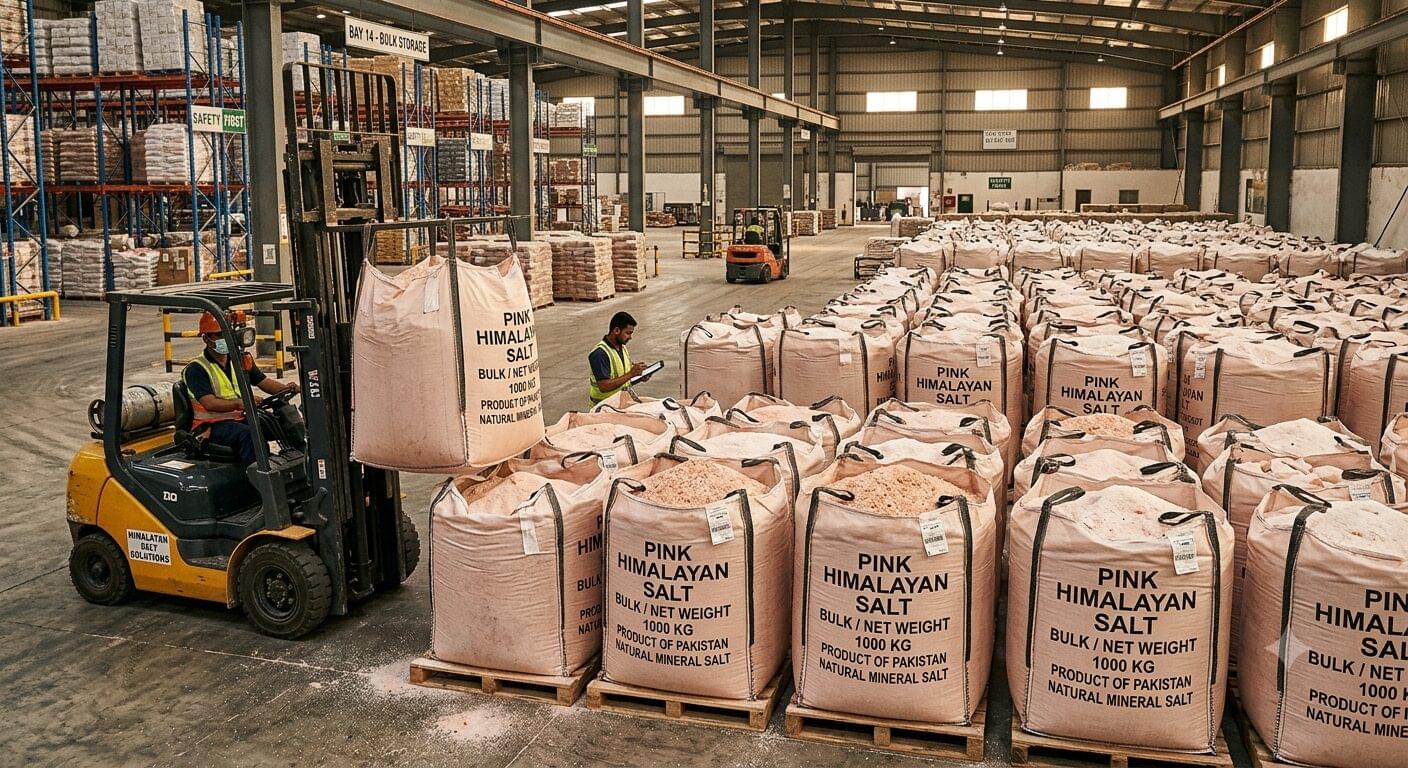
Pink Himalayan salt bulk refers to large-volume orders of raw or processed Himalayan salt, typically sold by the pallet, ton, or container load rather than in small retail bags. Businesses request bulk quantities for several reasons: restaurants need consistent culinary salt, spa brands need bath-grade product, and retailers need private label inventory they can rebrand under their own name.
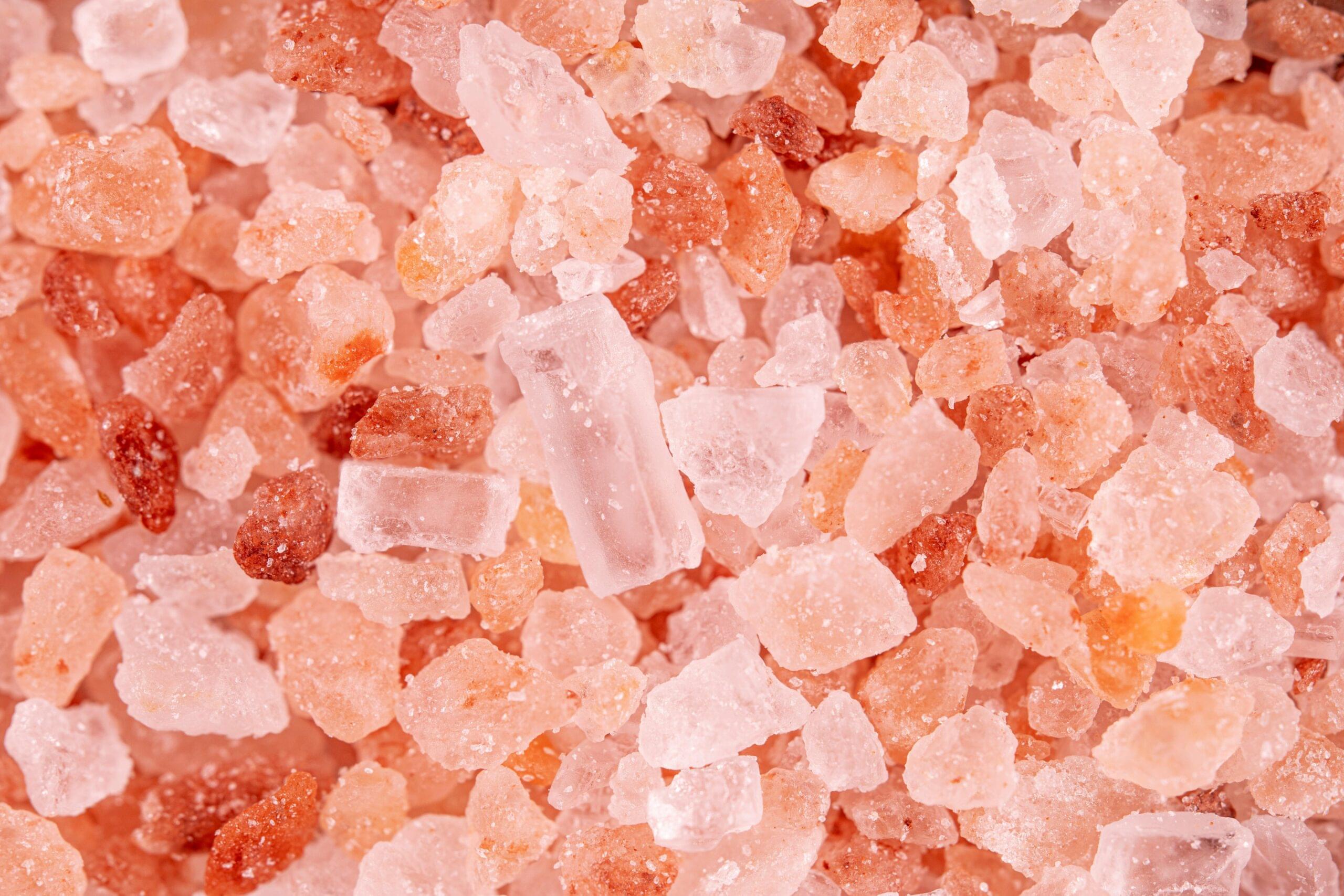
Unlike table salt, this product isn’t manufactured in a factory. It’s mined directly from ancient salt deposits, most notably the Khewra Salt Range in Pakistan, and its pink hue comes from naturally occurring trace minerals rather than added dye. That distinction matters enormously once you start comparing suppliers, because not every seller mining or repackaging “Himalayan” salt is actually sourcing from the same region or maintaining the same purity standards.
Why Grain Size and Grade Matter
Bulk buyers often assume all Himalayan salt is interchangeable. It isn’t. Fine grain suits table use and blending with spice mixes. Coarse grain suits grinders and finishing salt. Chunks and lumps suit lick blocks, cooking plates, and decorative uses. Ordering the wrong grade for your application is one of the most common — and costly — mistakes first-time bulk buyers make.
| Product Category | Best For | Key Advantages |
|---|---|---|
| Edible Fine/Coarse Salt | Restaurants, grocery, seasoning blends | Food-grade, mineral-rich, consistent grain |
| Bath & Wellness Salt | Spas, wellness brands, soak products | Coarse grain, skin-soothing minerals |
| Lick Salt Blocks | Livestock and animal nutrition suppliers | Dense mineral content, long-lasting block |
| Salt Lamps & Decor | Home decor and gift retailers | Natural crystal formation, unique color tone |
| Industrial & Tile Salt | Construction, cooking plates, bulk pallets | High volume supply, durable slab format |
Why US Businesses Order Organic Pink Salt in Bulk
Demand for organic pink salt and mineral-rich alternatives to refined table salt has grown steadily across US grocery, wellness, and hospitality sectors. Consumers increasingly want ingredients they perceive as less processed, and Himalayan salt fits that narrative naturally since it undergoes minimal refinement compared to standard iodized table salt.
For distributors, this shift creates a real opportunity. Health food stores, direct-to-consumer wellness brands, and even mainstream grocery chains now stock Himalayan salt as a standard item rather than a niche import. However, this growth has also attracted opportunistic sellers who repackage lower-grade rock salt under a “Himalayan” label without verified sourcing, which makes due diligence essential before committing to a supplier.
Businesses that get ahead of this trend typically diversify beyond plain edible salt. A well-rounded catalog built around a proper wholesale edible salt range gives retailers room to offer fine, coarse, and chunk formats under one supplier relationship rather than juggling multiple vendors.
How to Purchase Himalayan Salt the Right Way
A smart himalayan salt purchase process starts long before you request a quote. It starts with verifying whether the supplier actually controls the supply chain from mine to warehouse, or whether they’re simply reselling product from a middleman with no visibility into quality control.
Verifying Real Himalayan Pink Salt
Ask directly whether the seller can provide a Certificate of Analysis for each batch. A supplier offering genuine real himalayan pink salt should be able to share mineral content, purity levels, and grain size testing without hesitation. If a supplier can’t produce this documentation, treat that as a warning sign rather than a minor inconvenience.
It’s also worth asking where the salt is actually mined. Authentic product comes from the Khewra Salt Range or a small number of other Punjab-region deposits. Sourcing raw material from unverified locations and rebranding it under a Himalayan name is unfortunately common in the wholesale market.
Common Red Flags When Sourcing Raw Himalayan Pink Salt
When evaluating raw himalayan pink salt suppliers, watch for inconsistent color across batches, unusually low pricing compared to the rest of the market, and vague answers about minimum order quantities. Reliable exporters are typically transparent about MOQs because they’ve already built flexible tiers for startups and larger distributors alike.
Freight and customs handling matter just as much as product quality. A supplier that manages door-to-door delivery and understands US import documentation saves buyers significant time compared to arranging freight forwarding independently. For a deeper walkthrough of sourcing logistics and pricing expectations, our guide on where to purchase Himalayan salt breaks down the buying process step by step.
Himalayan Rock Salt Products Beyond the Basic Bag
Once sourcing is sorted, the next opportunity is expanding beyond plain edible salt. Diversifying your catalog with proven himalayan rock salt products increases average order value per client without requiring a new supplier relationship.
Culinary and Cooking-Grade Products
Salt cooking plates have become a popular addition for retailers targeting home chefs, since the slabs can be used for grilling, chilling, and serving simultaneously. A supplier offering ready-made Himalayan salt cooking plates allows retailers to enter this category without sourcing separate cutting and finishing equipment.
Wellness and Spa-Focused Products
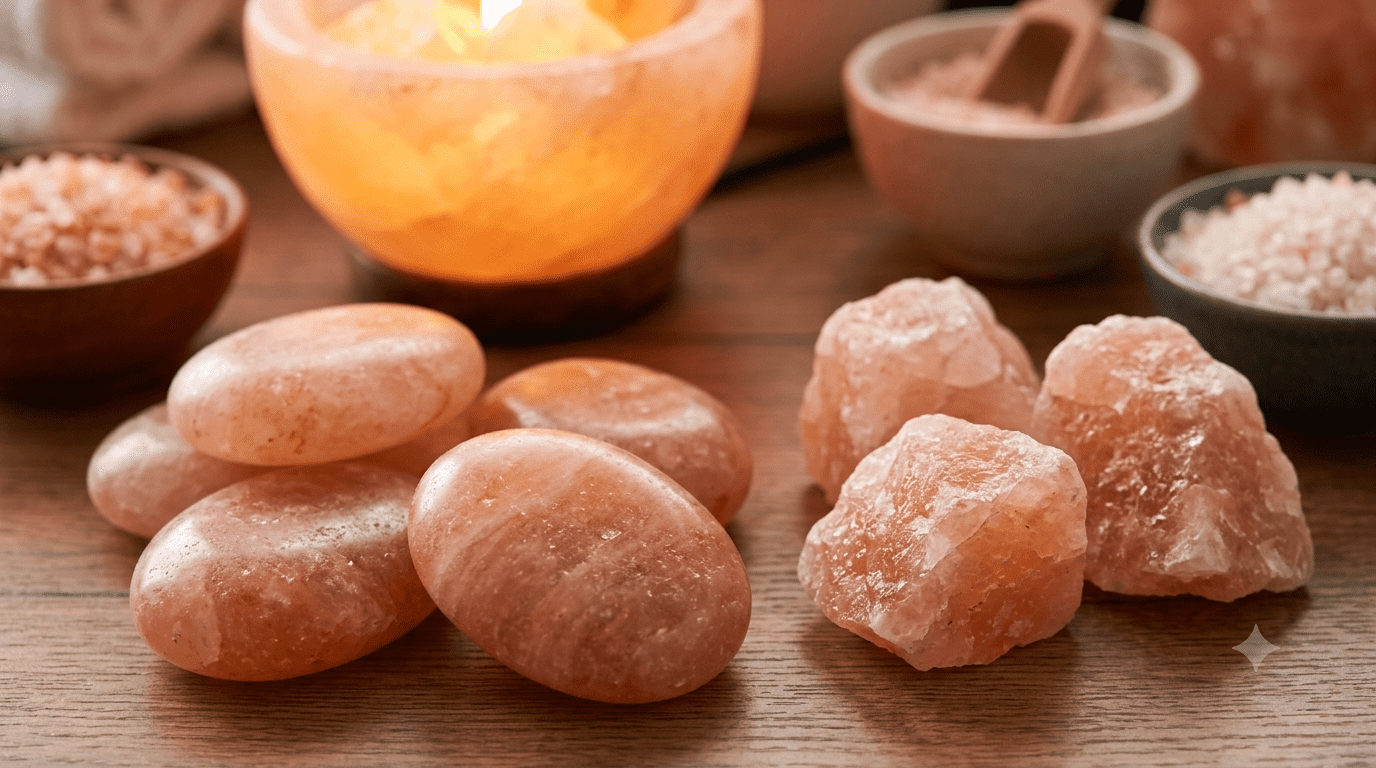
Bath and aromatherapy products remain one of the fastest-growing categories tied to Himalayan salt. Retailers building a wellness line often pair coarse bath salt with complementary aromatherapy items, and a combined Himalayan aromatherapy product line makes it easier to bundle offerings for spa and self-care customers.
Decor, Lamps, and Candle Accessories
Salt lamps continue to sell well in home decor and gift categories, particularly around holiday seasons. Retailers frequently pair lamps with matching accessories, and a supplier stocking coordinated Himalayan salt candle holders makes cross-selling straightforward at checkout.
Industrial and Construction-Grade Salt
Beyond consumer goods, Himalayan salt also supplies construction and design applications, including salt tiles and bricks used in spa rooms and specialty interiors. Buyers working at that scale usually need pallet-level volume, which is where dedicated industrial salt supply becomes relevant.
Comparing Himalayan Salt Brands in the US Market
Not every product on a US shelf labeled “Himalayan” comes from the same source or maintains the same quality standard. Understanding how established himalayan salt brands position themselves helps buyers set realistic pricing and quality expectations before negotiating with a wholesale supplier.
What Makes the Best Brand of Himalayan Pink Salt
When evaluating what qualifies as the best brand of himalayan pink salt for a private label partnership, look past marketing claims and focus on three measurable factors: consistent mineral content across batches, verified mine-of-origin documentation, and manufacturing capacity that can scale with your order volume as your business grows. A brand can look polished on packaging while still sourcing inconsistent raw material, so documentation always outweighs presentation.
Organic Himalayan Salt: Certification and Compliance Considerations
Organic himalayan salt claims require some nuance. Because Himalayan salt is a mined mineral rather than an agricultural product, it doesn’t qualify for USDA organic certification the way produce or packaged foods do. Reputable suppliers are transparent about this distinction rather than using “organic” loosely on packaging, since misleading labeling can create compliance issues once product reaches US retail shelves.
Food-grade compliance is the more relevant standard for edible salt entering the US market. Import labeling should align with FDA nutrition labeling requirements, and buyers sourcing iodized or non-iodized product for food manufacturing should confirm their supplier can provide FDA-compliant labeling guidance. For background on how sodium content is regulated and labeled on US food packaging, the FDA’s guidance on sodium in your diet outlines the labeling framework manufacturers and importers need to follow.
Halal certification is another consideration for buyers targeting specific retail segments. A supplier that already maintains halal certification alongside lab-tested Certificates of Analysis removes a significant compliance burden from the buyer’s side of the relationship.
Private Labeling: Building Your Own Salt Brand
One of the most profitable paths in this category is launching a private label product line rather than reselling an existing brand. Building a private label brand lets a business control pricing, packaging, and positioning without absorbing the cost of running its own mining or processing operation.
A full-service custom private label salt program typically includes logo printing on bags, jars, and retail boxes, along with flexible minimum order quantities suited to both new brands and established distributors expanding their catalog. This approach lets sales and marketing teams focus on growing a customer base while manufacturing, quality control, and packaging stay with the supplier.
Retailers already carrying edible salt often expand into adjacent categories under the same private label, particularly livestock nutrition. A parallel Himalayan lick salt product line lets agricultural distributors serve both human and animal nutrition markets without managing two separate supplier relationships.
Best Practices for Bulk Buyers
Successful bulk buyers tend to follow a similar playbook regardless of which product category they focus on:
- Request a Certificate of Analysis for every batch. Consistency matters more than a single good sample.
- Confirm the actual mine of origin. Genuine Khewra-sourced salt commands a premium for good reason.
- Match grain size to application before ordering. Fine, coarse, and chunk formats serve very different use cases.
- Clarify MOQs early. A flexible supplier accommodates both startups and established distributors.
- Verify FDA-compliant labeling support. This saves significant rework once product reaches US shelves.
- Diversify your catalog gradually. Edible, bath, and lamp categories often sell well together under one supplier relationship.
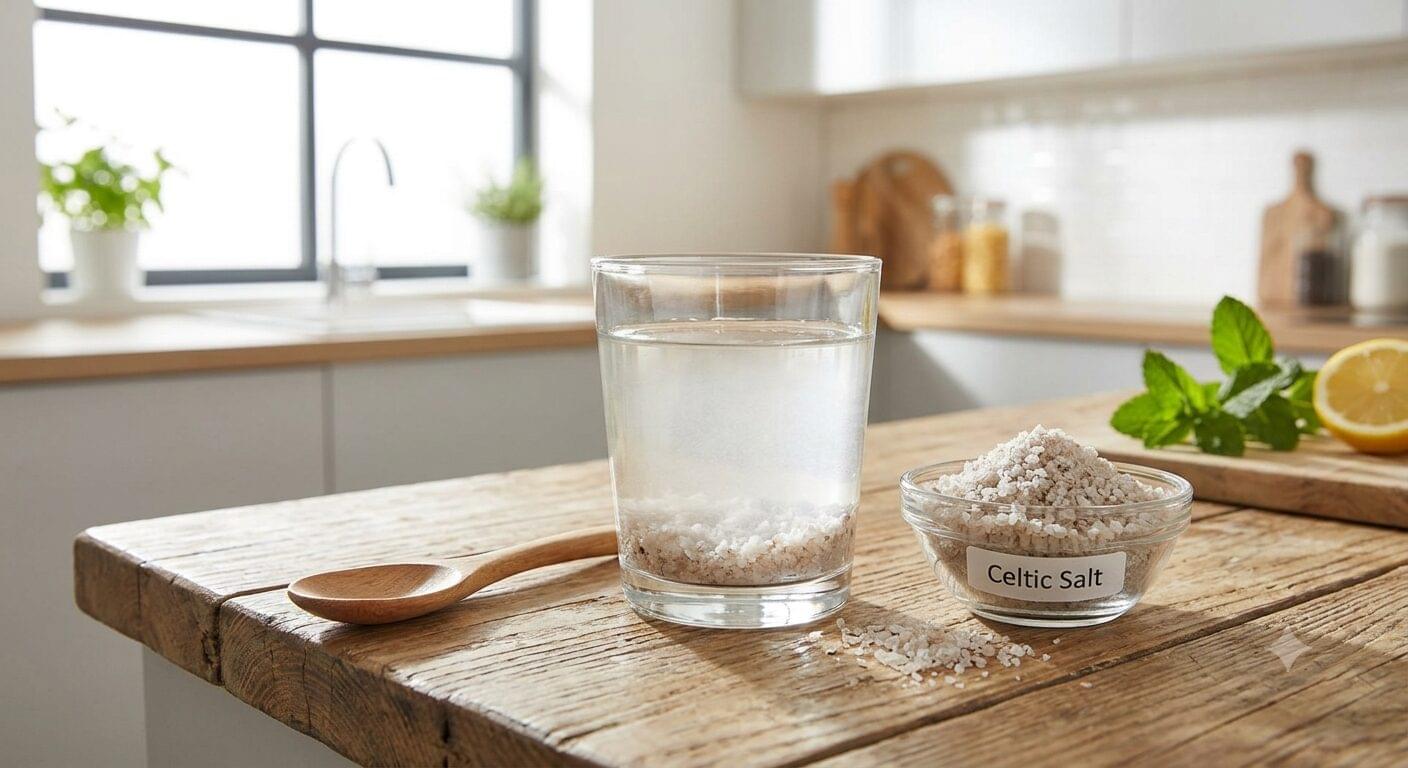
Buyers exploring specialty uses, such as sole water, may also find our guide to pink salt for sole water useful. It explains the grain size and sourcing requirements for this product.
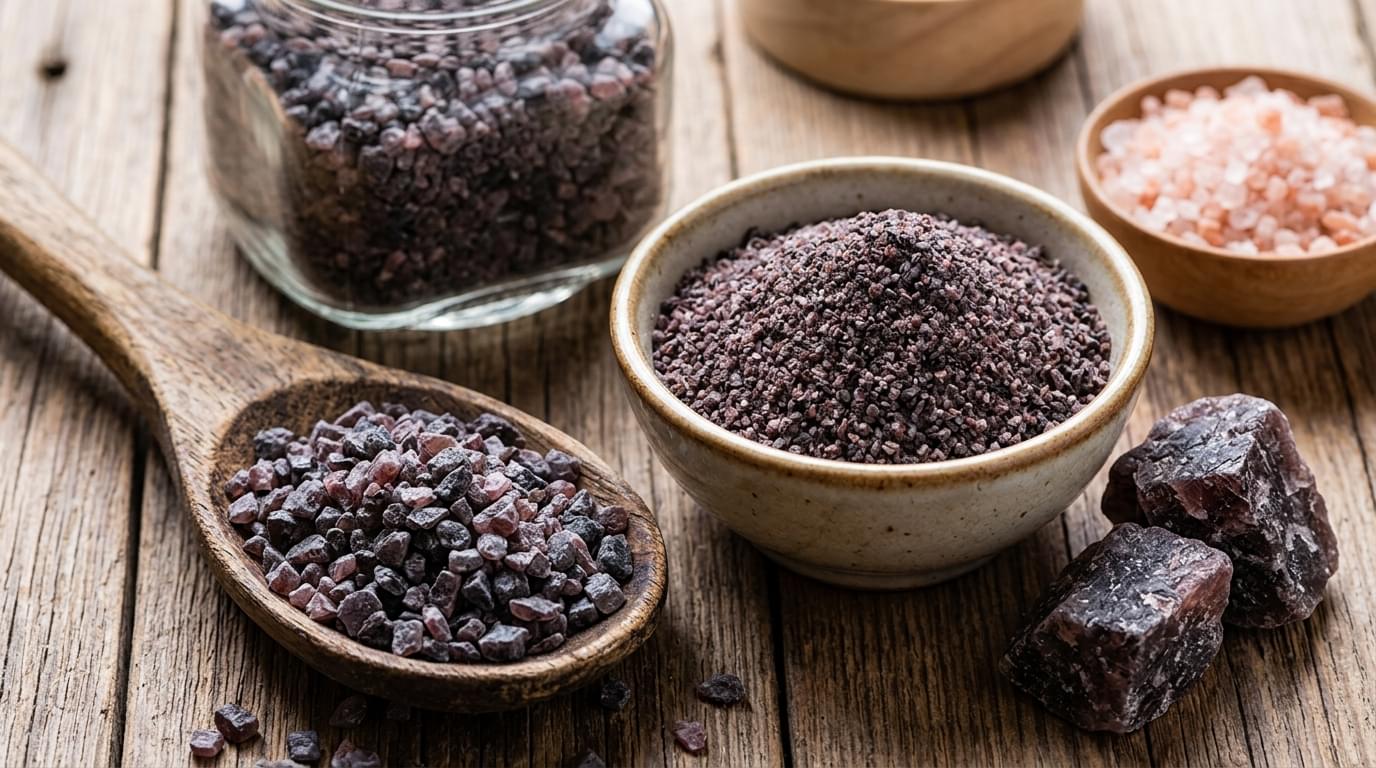
Retailers considering darker salt varieties can also review our guide to black Himalayan salt. It covers this distinct product, including its culinary uses and pricing.
Final Thoughts on Pink Himalayan Salt Bulk
Sourcing pink himalayan salt bulk successfully comes down to verification, not guesswork. Confirm the mine of origin. Request lab documentation. Match the product grade to your intended use. Choose a supplier familiar with US compliance and flexible private label programs. Businesses that build this foundation early scale far more smoothly than those chasing the cheapest quote in the market.
Ready to Source Direct From the Khewra Salt Range?
Get wholesale pricing, private label options, and a same-day quote from Himalyan Pink Salt — trusted by distributors across California, Texas, Florida, and New York.
Frequently Asked Questions
What is the minimum order quantity for pink Himalayan salt bulk?
Minimum order quantities vary by product category. Edible and bath salt typically have smaller MOQs, while industrial salt and salt tiles ship at pallet-level volume. A supplier should be able to quote MOQs based on your specific product and quantity needs.
Is Himalayan pink salt actually organic?
Not in the USDA certification sense. Himalayan salt is a mined mineral, not an agricultural product, so it doesn’t qualify for organic certification the way produce does. Reputable suppliers avoid overstating “organic” claims on packaging for this reason.
How is real Himalayan pink salt different from regular rock salt?
Genuine Himalayan salt is mined from specific deposits, most notably the Khewra Salt Range, and gets its pink color from naturally occurring trace minerals rather than added dye. Regular rock salt from other regions may be marketed similarly without the same mineral profile or documented origin.
Do I need FDA compliance for imported edible Himalayan salt?
Yes, food-grade salt entering the US market should follow FDA labeling requirements for sodium content and ingredient declarations. A reliable supplier will offer labeling guidance to help importers meet these requirements before product reaches retail shelves.
Can I start a private label Himalayan salt brand with a small budget?
Yes. Many suppliers offer flexible minimum order quantities specifically designed for startups entering the market, allowing new brands to launch custom-packaged products without the overhead of running their own manufacturing operation.