Table of Contents
- What Is Authentic Himalayan Salt?
- Where Does Himalayan Salt Come From?
- How to Identify Authentic Himalayan Salt
- What Makes Himalayan Salt Different?
- Popular Himalayan Rock Salt Products
- Himalayan Salt Decor for American Homes
- Himalayan Salt Lamp Decor Ideas
- Himalayan Gifts for Retail and Wholesale Buyers
- Decorative Salt Products for Retail
- What to Check Before You Buy Himalayan Salt
- Himalayan Salt Products for U.S. Buyers
- Why Choose Himalyan Pink Salt?
- Final Thoughts
- Frequently Asked Questions
Authentic Himalayan Salt: How to Identify Real Himalayan Rock Salt Products
Authentic Himalayan salt has become popular among U.S. food brands, wellness retailers, home décor businesses, gift stores, and private-label companies. However, not every product marketed as Himalayan salt has the same origin, quality, or processing standards.
For buyers, understanding the source is therefore important. Genuine Himalayan rock salt comes from natural salt deposits in the Himalayan Salt Range of Pakistan, with the Khewra Salt Range being a well-known source. Moreover, natural crystal color, texture, grain size, processing, packaging, and documentation can help buyers evaluate a supplier.
This guide explains what authentic Himalayan salt is, how to identify it, where it is used, and what U.S. buyers should consider before placing an order.
What Is Authentic Himalayan Salt?
Authentic Himalayan salt is natural rock salt sourced from salt deposits in the Himalayan Salt Range. Mineralogically, rock salt is primarily halite, or sodium chloride. The U.S. Geological Survey identifies halite as the mineral form of common rock salt. The U.S. Geological Survey’s salt resources also explain that salt has many commercial and everyday uses.
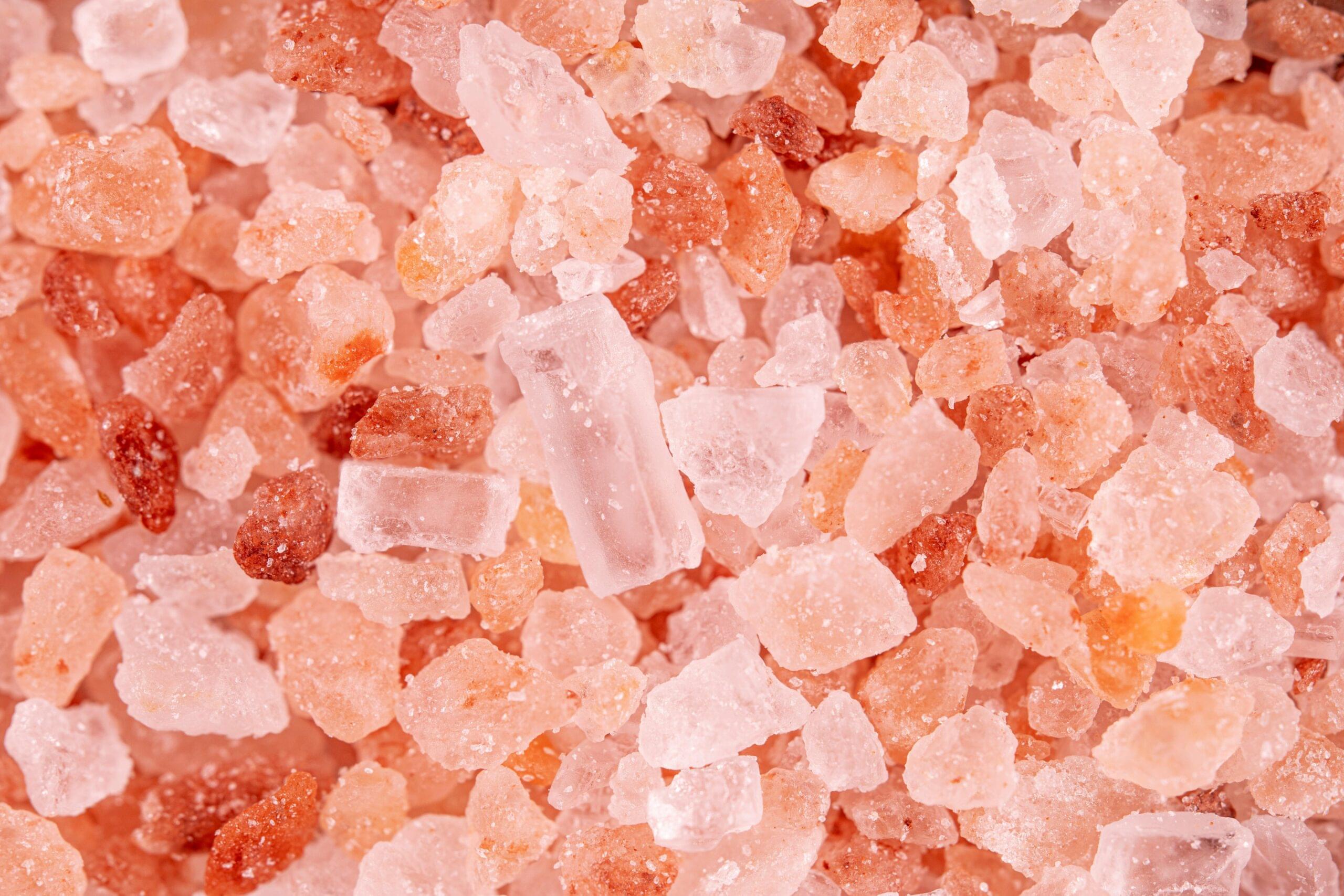
Unlike ordinary refined table salt, natural rock salt can retain naturally occurring trace minerals and variations in crystal appearance. These characteristics can contribute to shades ranging from pale pink to deeper rose tones.
However, color alone should not be treated as proof of authenticity. A reliable assessment should also consider the mine of origin, processing method, product specifications, and supplier documentation.
At Himalyan Pink Salt, products are sourced from the Khewra Salt Range in Punjab, Pakistan. The company supplies edible salt, bath salt, salt lamps, candle holders, salt bricks, culinary products, and other Himalayan rock salt products for wholesale and private-label buyers.
Where Does Himalayan Salt Come From?
The origin of Himalayan salt is one of the most important factors for buyers who want genuine products. The Khewra Salt Range in Punjab, Pakistan, is a major source associated with Himalayan pink salt.
Natural salt deposits formed through geological processes over very long periods. As a result, the salt found in these deposits can contain naturally occurring mineral variations that influence its appearance.
The Khewra Salt Range
The Khewra Salt Range is particularly important for the commercial supply of pink rock salt. Therefore, buyers seeking authentic Himalayan salt should ask suppliers for clear information about the source and processing location.
Himalyan Pink Salt states that its salt is sourced from the Khewra Salt Range and processed in Lahore, Pakistan. The company also reports that it performs quality checks for mineral content, salt purity, grain size, and moisture content before products leave its manufacturing facility.
Why Origin Matters
Origin matters because the term “Himalayan salt” is widely used across food, wellness, décor, and retail markets. Consequently, buyers should not rely only on product descriptions or color.
Instead, request information about:
- Mine or salt-range origin
- Country of processing
- Product grade
- Grain size
- Packaging specifications
- Certificate of Analysis when applicable
- Food-grade documentation for edible products
- Private-label requirements for branded products
How to Identify Authentic Himalayan Salt
Identifying authentic Himalayan salt requires more than looking at its pink color. Natural salt can vary in shade, texture, crystal size, and mineral appearance.
1. Check the Source
First, ask where the salt was mined. A supplier should be able to provide a clear country and source location. For wholesale buyers, this information becomes especially important because product origin can affect purchasing decisions and customer trust.
2. Examine Natural Color Variation
Genuine rock salt can display different shades of white, pale pink, orange, and deeper pink. Natural variation is expected because mineral composition can differ between crystal sections.
Therefore, perfectly uniform color is not necessarily a sign of higher quality.
3. Look at the Crystal Structure
Natural rock salt has a crystalline structure. Depending on the product, you may see translucent areas, rough surfaces, or irregular crystal patterns.
For decorative products, these natural differences can make every piece visually distinctive.
4. Ask for Product Documentation
Wholesale buyers should request appropriate documentation before making large purchases. Depending on the product, this may include laboratory analysis, Certificates of Analysis, product specifications, and food-grade documentation.
Himalyan Pink Salt states that it can provide laboratory analysis reports and Certificates of Analysis for product batches.
5. Evaluate the Supplier
Finally, examine the supplier’s manufacturing and export capabilities. A direct manufacturer can provide more information about sourcing, processing, packaging, and quality control.
This is particularly useful for U.S. distributors and private-label brands that need consistent supply.
What Makes Himalayan Salt Different?
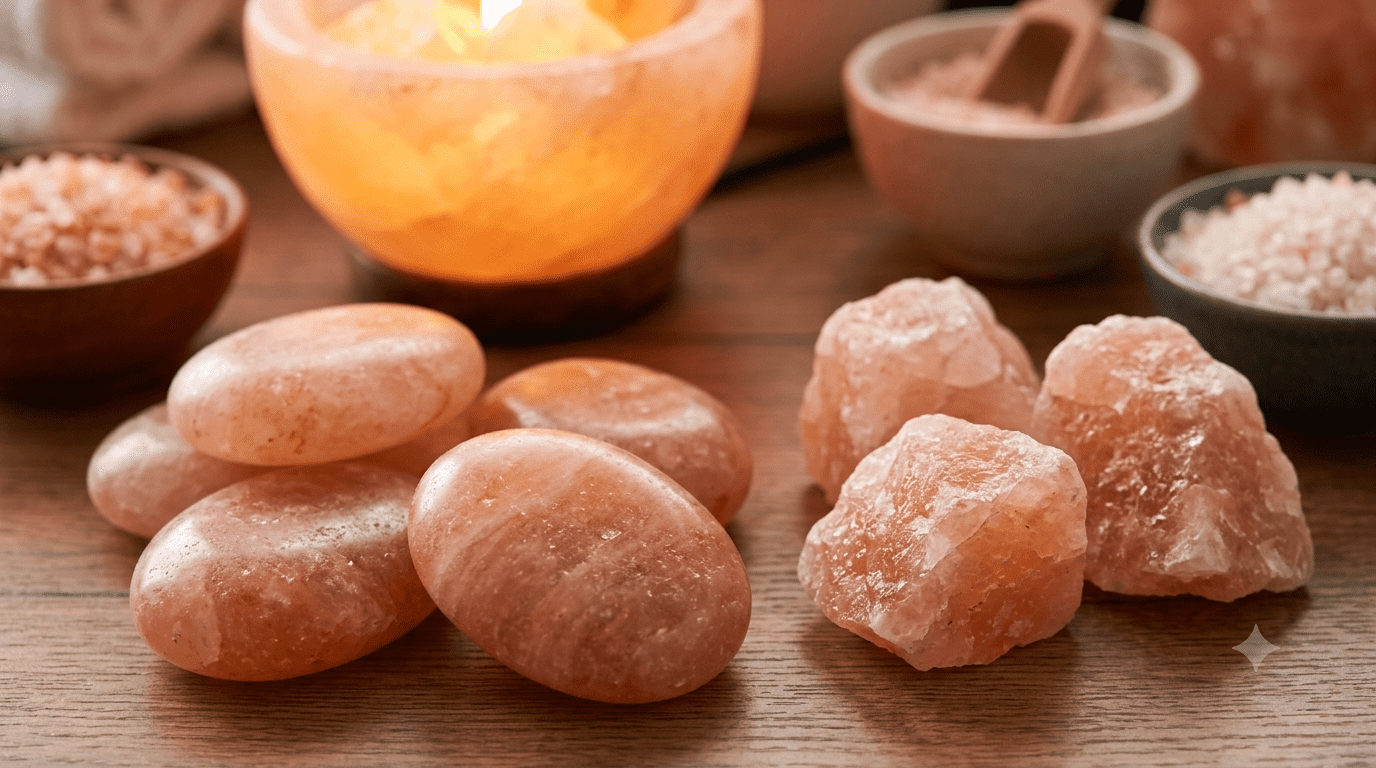
Himalayan rock salt is different from many refined salt products because it is marketed and supplied in a variety of natural forms. These include fine grains, coarse grains, chunks, slabs, tiles, bricks, lamps, and decorative pieces.
As a result, the same raw material can serve several different industries.
| Product Type | Common Market |
|---|---|
| Fine and coarse edible salt | Food brands, retailers, restaurants |
| Salt chunks | Food, wellness, retail |
| Salt lamps | Home décor, gift stores, wellness retail |
| Candle holders | Gifts, home décor, spas |
| Salt tiles and bricks | Spas, salt rooms, interior décor |
| Cooking plates and slabs | Restaurants, culinary brands, home kitchens |
Popular Himalayan Rock Salt Products
The market for Himalayan rock salt products extends far beyond edible salt. Therefore, businesses can build complete product collections around different uses and customer interests.
Edible Himalayan Salt
Food-grade Himalayan salt is available in different grain sizes, including fine, coarse, and extra-fine formats. These products can serve food manufacturers, restaurants, spice brands, grocery retailers, and private-label companies.
Businesses interested in food applications can explore food-grade Himalayan pink salt for U.S. retail and manufacturing applications to compare available formats and sourcing options.
Himalayan Salt Chunks
Large salt chunks can serve food, wellness, retail, and decorative applications. Their natural crystal appearance also makes them useful for brands looking for visually distinctive products.
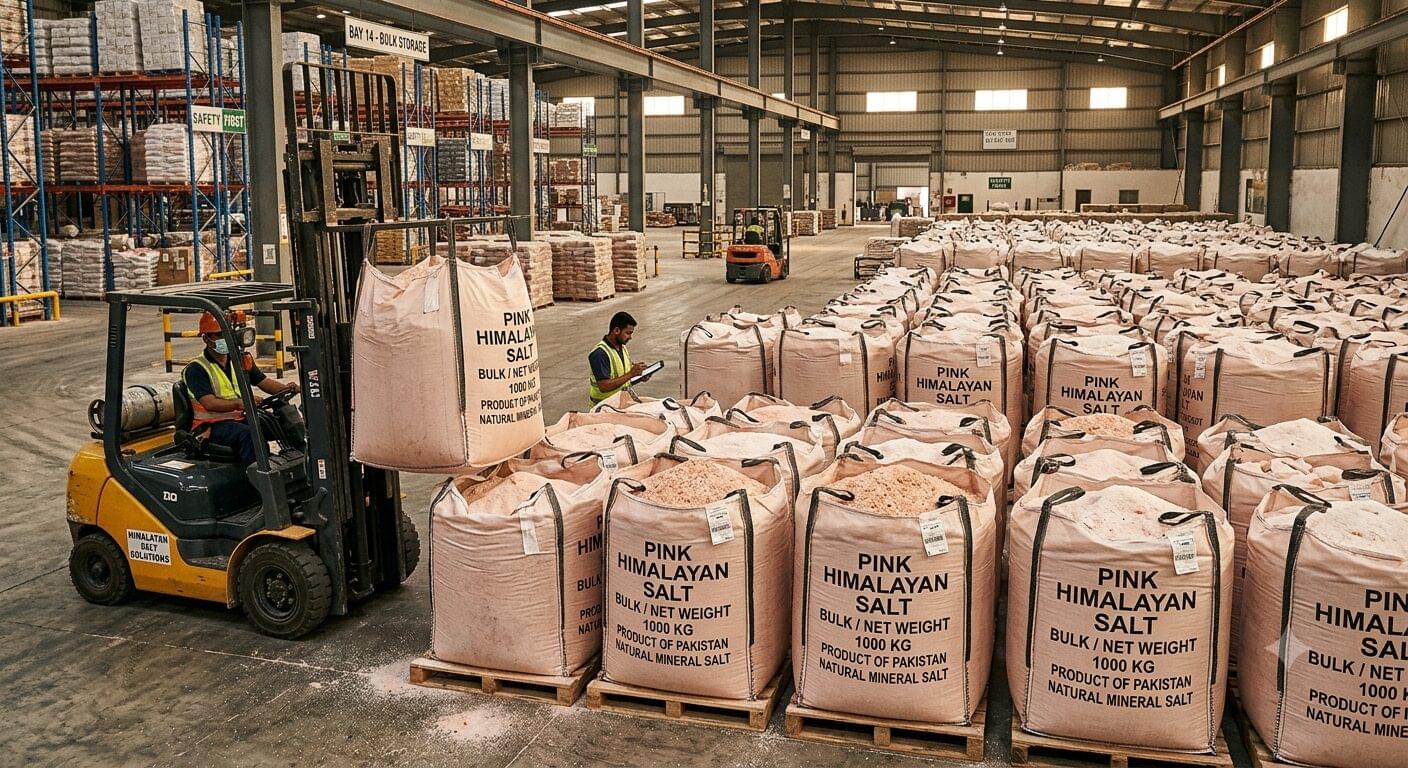
For bulk buyers, wholesale Himalayan rock salt chunks sourced from the Khewra Salt Range can provide another product option for expanding a retail collection.
Salt Lamps and Candle Holders
Salt lamps and candle holders are among the most recognizable decorative salt products. They combine the natural appearance of rock salt with warm ambient lighting.
For example, handcrafted natural Himalayan salt lamps for U.S. homes and retail collections can suit gift stores, wellness retailers, and home décor businesses.
Himalayan Salt Decor for American Homes
Himalayan salt decor has become a popular choice for buyers who prefer natural textures and warm lighting. Its pink and amber tones can complement modern, rustic, bohemian, minimalist, and wellness-inspired interiors.
Moreover, salt décor can be used in several areas of an American home.
- Living rooms
- Bedrooms
- Home offices
- Entryways
- Yoga spaces
- Meditation areas
- Spa-style bathrooms
- Retail displays
However, decorative salt products should be purchased primarily for their appearance, craftsmanship, and ambience. Claims that a salt lamp can replace an air purifier or provide specific medical benefits should be treated cautiously because evidence does not support using these products as substitutes for proper indoor-air-quality equipment.
Himalayan Salt Lamp Decor Ideas
Himalayan salt lamp decor works especially well when lighting becomes part of the overall interior design.
Bedroom Styling
A smaller lamp can add a warm accent to a nightstand or shelf. Pairing it with neutral bedding, wood textures, and simple décor can create a balanced appearance.
Living Room Styling
A larger crystal can become a focal point on a console, side table, or display shelf. Additionally, combining different textures can make the arrangement feel more intentional.
Home Office Styling
A compact lamp can add warm ambient lighting to a desk or bookshelf. It can also complement natural wood, plants, and neutral office accessories.
Wellness Spaces
Yoga studios, meditation rooms, spas, and wellness retailers can use salt lamps and candle holders as decorative accents.
For more ideas, read our guide to using natural Himalayan salt lamp decor in American homes and retail spaces.
Himalayan Gifts for Retail and Wholesale Buyers
Himalayan gifts can appeal to customers looking for natural, handcrafted, and visually distinctive products. Therefore, gift retailers can create collections that combine several complementary salt products.
Popular Gift Ideas
- Small Himalayan salt lamps
- Natural salt candle holders
- Decorative salt pieces
- Salt cooking plates
- Bath salt products
- Edible Himalayan salt gift packs
- Salt spa collections
Retailers can also combine products into seasonal collections. For example, a wellness gift set could include a decorative lamp, candle holder, bath salt, and aromatherapy product.
For retailers interested in distinctive lighting accessories, natural Himalayan salt candle holders for U.S. gift shops and wellness retailers provide another complementary option.
Decorative Salt Products for Retail
Decorative salt products offer retailers an opportunity to build a visually consistent product category. Furthermore, natural variations in color and shape can make individual pieces feel more distinctive.
Retailers should consider the following when selecting decorative salt:
- Natural appearance
- Product size
- Packaging quality
- Breakage protection
- Retail presentation
- Branding options
- Wholesale minimum order quantity
- Export documentation
For U.S. buyers, packaging deserves special attention. Salt products can be heavy or fragile, depending on their format. Therefore, suitable export packaging can reduce damage during transportation.
What to Check Before You Buy Himalayan Salt
If you plan to buy Himalayan salt for personal use, retail, food manufacturing, or private labeling, compare suppliers carefully.
Ask About the Origin
Confirm that the supplier can identify the source of the salt. A clear origin statement creates greater transparency.
Confirm the Intended Grade
Edible salt, bath salt, decorative products, and industrial salt have different applications. Therefore, always match the product grade with its intended use.
Request Laboratory Documentation
For commercial orders, ask whether the supplier can provide a Certificate of Analysis or other relevant documentation. This step can help businesses maintain consistent purchasing standards.
Review Packaging Options
If you operate a retail brand, ask about pouches, jars, boxes, bulk bags, and custom packaging. Good packaging can protect the product while strengthening your brand presentation.
Consider Shipping Requirements
International buyers should also review freight options, delivery terms, customs documentation, and shipment tracking before confirming a large order.
Himalayan Salt Products for U.S. Buyers
The U.S. market includes grocery retailers, restaurants, wellness businesses, home décor stores, gift shops, Amazon sellers, private-label brands, and distributors.
Because of this diversity, suppliers should offer flexible product and packaging options.
Himalyan Pink Salt exports products from Pakistan to U.S. buyers and states that it serves distributors and customers across states including California, Texas, Florida, and New York.
The company also offers private-label services for businesses that want to sell Himalayan salt products under their own brand name.
Private Label Opportunities
Private labeling can help businesses launch a Himalayan salt product line without establishing their own manufacturing facility.
Depending on the product, private-label options may include:
- Custom packaging
- Logo printing
- Retail-ready boxes
- Custom salt lamp bases
- Edible salt labels
- Bath salt packaging
- Custom product specifications
Businesses interested in building their own collection can explore private-label Himalayan salt manufacturing and custom packaging for U.S. brands.
Why Choose Himalyan Pink Salt?
Choosing the right supplier is just as important as choosing the right product.
Himalyan Pink Salt operates as a manufacturer and exporter from Lahore, Pakistan. The company states that it controls the supply chain from sourcing and processing through packaging and export.
Its product range includes edible salt, bath salt, lick salt, salt lamps, candle holders, aromatherapy products, salt bricks, and culinary salt.
For commercial buyers, the company also provides quality inspection, product documentation, private-label packaging, and export support.
Most importantly, U.S. buyers should evaluate each product according to its intended application. Food products require food-grade considerations, while decorative products should be evaluated for craftsmanship, packaging, and safe use.
Final Thoughts
Authentic Himalayan salt is valued for its natural origin, distinctive appearance, and wide range of applications. From edible salt and cooking slabs to lamps, candle holders, and decorative pieces, the category offers opportunities for both consumers and businesses.
However, authenticity should never be judged by color alone. Instead, check the source, product grade, processing standards, documentation, packaging, and supplier transparency.
For U.S. retailers, distributors, wellness brands, food companies, and private-label businesses, working with a direct manufacturer can also simplify sourcing and product development.
Whether you are looking to buy Himalayan salt for food production or develop a retail collection around Himalayan salt decor, choosing the right supplier can make a significant difference.
Ready to Source Authentic Himalayan Salt?
If you are a U.S. importer, distributor, retailer, food brand, wellness company, gift business, or private-label seller, Himalyan Pink Salt can help you source Himalayan salt products directly from Pakistan.
Choose from edible salt, decorative products, salt lamps, candle holders, bath salt, cooking products, salt bricks, and other wholesale options.
Request product specifications, MOQ information, packaging options, and a wholesale quote today.
Frequently Asked Questions
1. What is authentic Himalayan salt?
Authentic Himalayan salt is natural rock salt sourced from the Himalayan Salt Range, including the Khewra Salt Range in Pakistan.
2. How can I identify real Himalayan salt?
Check the source, natural color variation, crystal structure, product specifications, and supplier documentation before purchasing.
3. Can I buy Himalayan salt in bulk?
Yes. Wholesale Himalayan salt is available in different grades, formats, packaging options, and minimum order quantities.
4. Are Himalayan salt lamps suitable for home décor?
Yes. Himalayan salt lamps are commonly used as decorative lighting and can add a warm, natural accent to bedrooms, living rooms, offices, and wellness spaces.
5. Can U.S. businesses create private-label Himalayan salt products?
Yes. Himalyan Pink Salt offers private-label options for several Himalayan salt products, including custom packaging and branding.
Source for U.S. Salt Information
For general mineral and salt information, buyers can consult the U.S. Geological Survey’s official salt information and statistics.