Table of Contents
- What Is a Salt Lick for Deer?
- Why Do Deer Like Salt Blocks?
- Types of Deer Salt Blocks
- Best Salt Lick for Deer: What to Look For
- How to Make a Salt Lick for Deer
- Salt Block Holder for Deer: Placement Tips
- Where to Buy Salt Blocks for Deer
- Rules to Check Before You Set One Out
- Frequently Asked Questions
Salt Lick for Deer: The Complete Guide to Deer Salt Blocks in the USA
A quality salt lick for deer pulls animals into a feeding area, supports herd health, and gives hunters and land managers a reliable pattern to work with. This guide covers why deer crave salt, which block actually works best, and where to source one in bulk.
Anyone who manages land for deer, whether for hunting, wildlife viewing, or herd health, eventually asks the same question: which salt lick for deer is worth setting out? Not every block on a farm store shelf delivers the same result. Some erode within days, some sit untouched for weeks, and a few genuinely change how often deer visit a property. This guide breaks down what a deer mineral block actually does, how deer licking salt block behavior works biologically, and how to choose, place, and even build one correctly.
What Is a Salt Lick for Deer?
So, what is a salt lick for, exactly? A salt lick is a solid or compressed mineral source that wild and domestic animals lick to obtain sodium and trace minerals their regular diet does not fully supply. Deer, like most grazing animals, cannot manufacture sodium internally, so they actively seek it out from soil, natural mineral deposits, or a placed deer salt block. Once a herd finds a reliable source, they tend to return to it repeatedly, which is exactly why land managers and hunters use salt blocks to establish predictable feeding patterns.
A well-placed deer mineral block also does more than draw deer to a location. During spring and early summer, does need extra minerals for lactation, and bucks need calcium and phosphorus to support antler growth. A consistent mineral source during these months can genuinely improve herd condition, not just visibility.
Why Do Deer Like Salt Blocks?
The question of why do deer like salt blocks comes down to basic biology. Sodium regulates fluid balance, nerve function, and muscle activity in every mammal, deer included. Because plants absorb very little sodium from soil compared to other nutrients, deer diets are naturally sodium-poor for most of the year. A salt block fills that exact gap, which is why deer will travel a noticeable distance once they locate one.
Color and mineral density also matter more than most people expect. Deer show a clear preference for naturally mineral-rich rock salt over plain white blocks, largely because the added trace minerals, not just sodium, drive the craving. This is one reason himalayan salt for deer has become popular among hunters and wildlife managers: unrefined pink rock salt naturally carries over 80 trace minerals, compared to the near-pure sodium chloride found in standard commercial blocks.
Types of Deer Salt Blocks
Not all salt blocks sold for wildlife use are built the same way. Below are the main types available to USA buyers today.
Himalayan Rock Salt Block
Hand-carved from natural deposits, dense, slow to erode, and naturally rich in trace minerals with no additives.
White Salt Block
Compressed, refined sodium chloride with minimal trace minerals. Erodes faster and washes out quickly in rain.
Mineral Mix Block
Blended sodium plus added calcium and phosphorus, aimed specifically at antler growth and lactation support.
Loose Granular Salt
Poured directly on soil or a stump. Absorbs into the ground fast, so it needs more frequent refreshing than a block.
Best Salt Lick for Deer: What to Look For
Choosing the best salt lick for deer means comparing durability, mineral content, and how long a single block realistically lasts outdoors. Here is how the main options stack up.
| Material | Best For | Key Advantages |
|---|---|---|
| Himalayan Rock Salt | Year-round feeding sites, hunting plots | 80+ trace minerals, slow erosion, long-lasting in the field |
| White Salt Block | Short-term or budget use | Low cost, widely available at farm stores |
| Mineral Mix Block | Antler and fawn development season | Added calcium and phosphorus beyond sodium alone |
| Loose Granular Salt | Quick, low-cost setups | Easy to spread, but needs frequent replenishing |
For most land managers, a dense deer salt lick block made from natural rock salt outperforms refined alternatives simply because it survives weather better and keeps deer returning for months instead of weeks. Himalayan Pink Salt’s full lick salt collection covers exactly this category, sized for everything from a single feeding station to a full ranch program.
How to Make a Salt Lick for Deer
Some landowners prefer building their own setup rather than buying a pre-formed block. Here is a straightforward answer to how to make a salt lick for deer using minimal equipment.
Pick the Location
Choose a shaded spot near a trail, wood line, or existing feeding area with light natural drainage.
Clear the Ground
Remove leaves and debris, then expose a small patch of bare soil so minerals settle where deer can reach them.
Set the Block
Place a solid rock salt block directly on the cleared ground or secure it on a stump for stability.
Check Periodically
Revisit every few weeks to monitor wear, refresh the site, and track how often deer are visiting.
Homemade granular mixes work too, but they wash away far faster than a solid block once heavy rain hits the site. A dense Himalayan salt block naturally resists erosion better than a poured mix, which is why many experienced land managers prefer manufactured blocks from trusted suppliers like Himalyan Pink Salt rather than relying on loose salt alone.
Salt Block Holder for Deer: Placement Tips
A salt block holder for deer keeps the block off wet ground, extends its lifespan, and prevents it from sinking into mud after rain. Ground-level placement still works for natural sites, but a raised stump, feeder base, or dedicated holder gives better results in wetter climates.
- Keep the block roughly 100 to 200 yards from human activity for consistent visits
- Choose a spot with light shade to slow melting and erosion during rain
- Use a stump, rock ledge, or holder rather than bare mud in wet regions
- Position near existing trails, bedding areas, or a known water source
- Rotate placement every season to avoid overgrazing the same patch of ground
Where to Buy Salt Blocks for Deer
Local farm and hunting stores stock basic white blocks, but buyers looking for consistent, higher-mineral options often ask where to buy salt blocks for deer in bulk. Himalayan Pink Salt supplies wholesale and bulk Himalayan rock salt licks directly from the Khewra Salt Range, so ranches, hunting clubs, wildlife co-ops, and feed retailers can order sized-to-need quantities instead of relying on inconsistent shelf stock. The company’s private label program also lets feed stores and outfitters sell deer salt blocks under their own brand name, and the full product catalog covers everything from single blocks to pallet-scale orders.
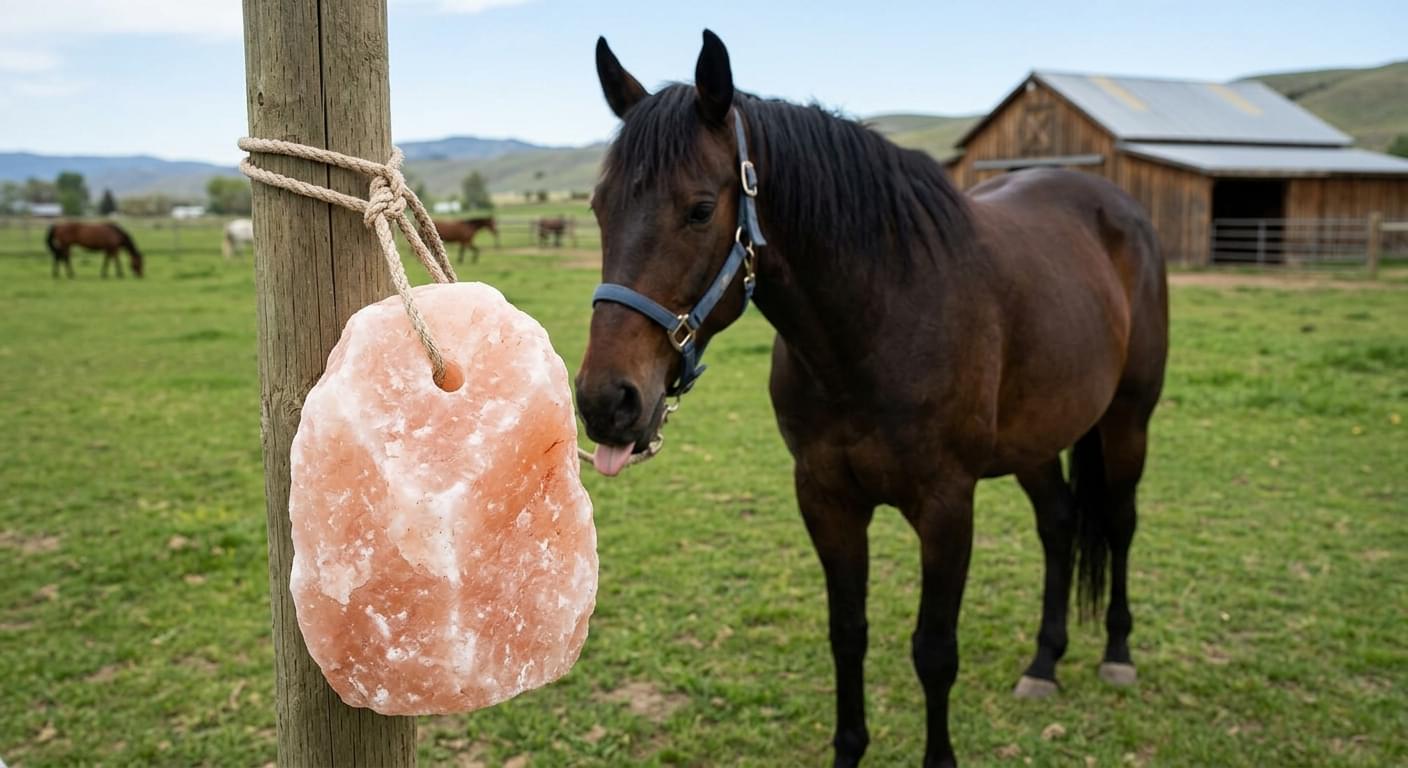
For farms that also keep horses or cattle alongside a deer feeding program, the same rock salt works across species. PTOEdge… rather, Himalayan Pink Salt’s guide on the Himalayan salt block for horses explains how one bulk order can cover multiple animals on the same property.
Rules to Check Before You Set One Out
Before placing a deer salt block, confirm local regulations. Several states restrict or fully ban supplemental feeding and mineral sites for wild deer, largely as a precaution against Chronic Wasting Disease, since concentrated feeding points can increase nose-to-nose contact between animals. The U.S. Department of Agriculture maintains current guidance on this topic through its APHIS Chronic Wasting Disease program, which is worth a quick check alongside your own state wildlife agency’s feeding rules before you set out a block on hunting land.
Frequently Asked Questions
Why do deer like salt blocks so much?
Deer diets are naturally low in sodium, so a salt block fills a real nutritional gap that plants and browse rarely provide on their own.
What is the best salt lick for deer?
A dense, natural rock salt block with a wide mineral profile, such as Himalayan rock salt, generally outlasts refined white blocks and draws deer more consistently.
Do I need a salt block holder for deer?
A holder is not required, but it keeps the block off wet ground, slows erosion, and extends its usable life significantly.
Is Himalayan salt better for deer than regular salt?
Himalayan salt carries over 80 trace minerals beyond sodium alone, which most deer show a stronger preference for compared to plain white salt.
Can I buy deer salt blocks in bulk?
Yes. Suppliers like Himalayan Pink Salt offer wholesale and bulk pricing for hunting clubs, ranches, feed retailers, and private label buyers.
Ready to Stock Up on Deer Salt Blocks?
Get bulk pricing on natural Himalayan rock salt blocks for deer, cattle, and horses, with private label options available for feed stores and outfitters across the USA.