
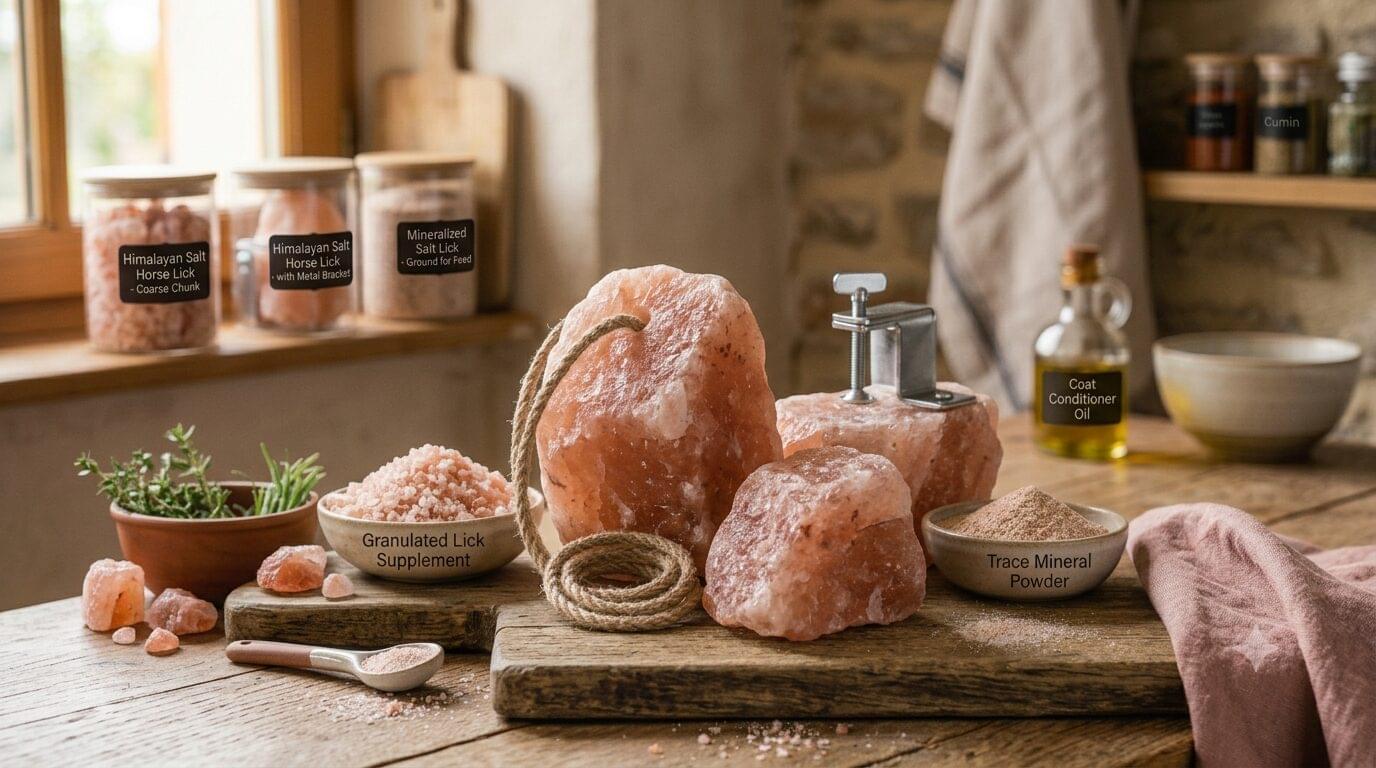
Every animal on your farm needs salt. Horses sweat it out in the paddock. Deer search for it in the woods. Cows, goats, and even rabbits crave it daily. Without enough salt, animals can lose energy, stop eating well, and struggle with basic body functions. That’s where a good salt lick comes in, and not all salt licks are made the same. Himalayan salt licks have become the top choice for ranchers, horse owners, and wildlife managers across the USA. They are mined from ancient salt deposits, untouched by pollution, and packed with over 80 trace minerals. Unlike plain white salt blocks, these pink blocks give animals real nutrition along with their daily salt fix. In this guide, we will walk through why salt matters, which lick works best for which animal, and how to set one up the right way.
Why Animals Need Salt Every Day
Salt is not a luxury for animals. It is a basic need, just like water and feed. Sodium helps muscles contract, nerves fire properly, and fluids stay balanced inside the body. When animals sweat, urinate, or even just breathe, they lose sodium and chloride. That loss has to be replaced, or health problems start showing up fast.
Horses lose a lot of sodium through sweat, especially during summer training or long trail rides. Cattle need steady mineral intake to support muscle growth and reproduction. Deer instinctively search for salt sources in the wild, which is why hunters and conservationists place salt licks near feeding trails. Even smaller animals like goats and rabbits benefit from regular mineral access, though they need it in smaller doses than livestock.
A plain salt block only gives sodium chloride. A Himalayan salt lick gives that same sodium, plus calcium, magnesium, potassium, iron, and dozens of other trace minerals the body actually uses. That difference is why so many farms have switched over the past few years.
Himalayan Salt Horse Licks: The Go-To Choice for Stables
Among all livestock, horses are probably the biggest users of salt licks in the USA. Himalayan salt horse licks have become a stable essential because horses lose so much sodium through sweat, particularly during exercise or hot weather. A horse that doesn’t get enough salt may drink less water, eat less hay, and become sluggish over time.
These blocks are naturally hard, which matters a lot for horses. Soft, pressed salt blocks let horses bite off chunks, which can lead to overeating salt in one sitting. A solid Himalayan salt horse lick forces the horse to lick slowly, the way nature intended. This steady pace gives the body time to absorb minerals properly instead of flooding the system all at once.
Most stable owners hang these blocks using a rope or mount them in a salt lick holder horse owners install directly on the stall wall. A holder keeps the block off the ground, away from moisture and bedding, which makes it last much longer. For pastures, a flat block placed on a raised stand works just as well and keeps the salt dry between rains.
If you board horses or run a stable, a good rule of thumb is one block per horse, refreshed every few months depending on usage and weather. Horses regulate their own intake naturally, so there is little risk of them eating too much when the block is left out freely.
Best Salt Licks for Deer: Attracting and Supporting Wildlife
Hunters, land managers, and wildlife conservationists across the USA rely on deer salt licks to support healthy herds and bring deer to a specific feeding area. Deer are drawn to the reddish-pink color of Himalayan salt, and many believe the iron content plays a role in that attraction.
A deer salt lick block works best when placed near a known trail, feeding zone, or water source. Unlike horses, deer don’t need a holder. A flat block set directly on the ground or a stump in a quiet area usually does the job. The goal is consistency, since deer will return to the same spot once they associate it with a reliable mineral source.
For anyone managing a hunting property or conservation ranch, the best salt lick for deer is one that survives outdoor conditions without dissolving too fast in rain. Himalayan rock salt holds up far better than pressed salt because of its natural density. A single block can last weeks or even months outdoors, depending on local deer traffic and weather patterns.
Many ranches set out multiple salt licks for deer spread across different feeding zones rather than just one central spot. This spreads herd activity more evenly and reduces overcrowding in any single area, which keeps the land healthier too.
Cow Salt Licks and Equine Salt Licks for Larger Operations
Cattle ranches typically need salt on a much bigger scale than a backyard horse owner. A cow salt lick supports muscle development, reproduction, and general herd health, especially on large grazing operations where natural mineral content in the soil can vary. Without supplemental salt, cattle can show signs of poor appetite and weight loss over time.
Round rock salt licks are a favorite for cattle herds because the rounded shape lets multiple animals lick from different angles, which reduces waste and helps the block last longer. These are usually sold in bulk, often between 2 and 10 kilograms per piece, which fits well for ranches managing dozens or hundreds of head.
For mixed operations running both horses and cattle, an equine salt lick placed separately from the herd block helps avoid competition between the two animal types. Horses tend to be more particular about their feeding space, so giving them dedicated access keeps things calmer in shared pastures.
Goat and Rabbit Salt Licks: Smaller Animals, Real Needs
It’s easy to assume only big livestock need salt, but that’s not true. A goat salt lick supports digestion and helps prevent mineral deficiencies that can show up as poor coat condition or low energy. Goats are naturally curious and will often start using a lick within days of it being introduced to their pen.
A rabbit salt lick is smaller in scale but just as important for pet owners and small farm operators. Rabbits need far less salt than livestock, so a compact block sized for their cage works best. Many owners simply clip a small Himalayan salt piece to the side of the hutch, letting the rabbit lick it whenever needed.
Iodized Salt Lick Blocks vs Natural Himalayan Blocks
Some farms still use iodized salt lick blocks, which add iodine to support thyroid function in livestock. These can be useful in regions where soil is naturally low in iodine. However, many ranchers now prefer natural Himalayan blocks because they already contain a wide mineral spread, including trace iodine, without any added processing.
The difference comes down to what your soil and feed already provide. If your local feed program already covers iodine needs, a pure Himalayan block usually covers everything else your herd requires.
Comparing Salt Licks by Animal Type
| Animal | Recommended Lick Type | Typical Placement |
|---|---|---|
| Horses | Rope-hole block or rectangular block | Stall wall or salt lick holder |
| Deer | Flat block | Ground level near feeding trail |
| Cattle | Round rock block | Near water trough or feeding site |
| Goats | Small to medium block | Pen floor or low mount |
| Rabbits | Compact mini block | Clipped to hutch wall |
Setting Up Your Animal Salt Lick the Right Way
No matter which animal you’re feeding, placement matters. An animal salt lick left in standing water or wet mud will dissolve fast and attract pests. Always choose a shaded, dry spot, and elevate the block when possible using a holder or raised platform.
For horses specifically, mounting the block in a proper salt lick holder horse owners trust keeps it clean and prevents waste.
Watch how much your animals are consuming too. Cattle typically eat around 1 to 3 ounces of salt daily, and a sudden spike in consumption can sometimes point to a deeper nutritional gap worth checking with a vet.
Final Thoughts
Whether you’re running a horse stable, managing a cattle ranch, or just keeping a few goats and rabbits on a small property, salt is something every animal needs consistently. Himalayan salt licks offer a natural, mineral-rich option that holds up better outdoors and gives animals more nutritional value than plain white blocks.
If you’re sourcing in bulk for a farm, stable, or ranch operation, you can browse the full Himalayan salt lick for horses, cattle, and deer. To learn more about how these blocks are sourced and processed, visit the Himalyan Pink Salt . And if you need a custom quote or have questions about bulk orders, reach out anytime.
Frequently Asked Questions
1. Are Himalayan salt horse licks safe for daily use?
Yes, Himalayan salt horse licks are completely safe for everyday use in stalls and pastures. Horses naturally regulate their own salt intake, so there is very little risk of them eating too much. The block simply sits in the stall, and the horse licks it whenever the body needs more sodium.
2. How long does a Himalayan salt horse lick usually last?
A typical block lasts anywhere from two to four months, depending on how often the horse uses it and the weather conditions. Outdoor blocks in rainy areas may wear down faster, so a salt lick holder helps extend the life of the block significantly.
3. What’s the difference between Himalayan salt horse licks and regular salt blocks?
Regular salt blocks only contain sodium chloride with very few extra minerals. Himalayan salt horse licks contain over 80 trace minerals naturally, including calcium, magnesium, and iron, giving horses a more complete mineral source in one simple block.
4. Can Himalayan salt horse licks be used outside in the pasture?
Yes, these blocks hold up well outdoors because Himalayan salt is naturally dense and weather resistant. Placing the block on a raised stand or holder keeps it away from mud and standing water, which helps it last much longer in the field.
5. Do Himalayan salt horse licks need a special holder?
A holder isn’t required, but it does help. Mounting the block in a stall using a rope or holder keeps it clean, dry, and easy for the horse to reach, especially compared to leaving it directly on the ground.


