
Salt sits on almost every kitchen counter across America, yet pink himalayan sea salt clearly stands apart from the rest. This natural pink crystal forms deep inside the Khewra Salt Range, tucked within the mountains of Pakistan. Over millions of years, ancient sea beds slowly turned into solid rock under intense mountain pressure. Pink himalayan sea salt keeps minerals that regular table salt usually loses during heavy factory processing. Home cooks, restaurants, and wellness brands across the USA now choose it for exactly that reason. In this guide, we explain what makes it special and how you can buy it the smart way.
What Makes Pink Himalayan Sea Salt Different?
Regular table salt goes through heavy refining before it ever reaches your pantry shelf at home. Factories strip away natural minerals during processing, then add chemicals afterward to stop clumping inside the container. Pink himalayan sea salt skips most of that harsh industrial treatment almost entirely, which matters more than people realize. It typically goes through basic washing, careful drying, and controlled grinding before it reaches packaging stations. Because of this gentler process, it keeps trace minerals like iron, calcium, potassium, and magnesium locked inside each crystal. These natural minerals actually create that soft pink shade you probably recognize from photos online. As a result, this salt tastes noticeably milder and slightly sweeter compared to plain bleached white salt.
Why Chefs Call It the Best Sea Salt for Cooking
Many professional chefs now call it the best sea salt for daily cooking, plating, and food styling work. Restaurants across the country use it for grilling meat, roasting vegetables, and finishing beautifully plated dishes. Since it dissolves evenly across a dish, it blends smoothly into sauces and marinades without leaving gritty texture behind. Home bakers also enjoy sprinkling it over bread crusts right before the loaf goes into the oven. If you want to compare grain sizes, browse our edible salt collection, built for home cooks and food businesses.
Premium Sea Salt: Why It Costs More Than Regular Salt
People often wonder why premium sea salt costs noticeably more than the plain stuff sitting at the grocery store. The honest answer comes down to careful sourcing, natural purity, and how much processing each product actually receives before sale. Pink himalayan sea salt requires careful mining, sorting, and repeated quality testing before any batch ever ships out. Because manufacturers avoid harsh chemical treatment throughout the process, the final product tastes noticeably cleaner and purer overall. Many high-end restaurants and specialty grocery stores across the USA now stock it as their signature seasoning choice for customers.
Is It Good for Everyday Sea Salt for Cooking Needs?
So, is pink himalayan sea salt actually reliable for everyday sea salt for cooking needs at home? Yes, it genuinely works well across nearly every cooking method you can think of trying. Fine grain versions dissolve quickly, which makes them perfect for baking bread and everyday table seasoning. Coarse salt grains hold their shape well under high heat, so outdoor grill masters tend to prefer them strongly. Meanwhile, artisan bakeries across the US use it to build better crust texture on their signature loaves. If you want wholesale pricing, check our complete product collection before placing your first order with us.
Iodised Sea Salt vs Non-Iodised: What Should You Pick?
Many American shoppers also ask about iodised sea salt compared with the plain, non-iodized version sold nearby. Iodine supports healthy thyroid function, which is why the US made iodized salt a public health standard decades ago. Pink himalayan sea salt naturally holds small trace amounts of iodine, though not nearly enough to meet daily needs alone. Some brands still specifically request iodized batches for their retail packaging and printed nutrition labels. Others prefer the pure, non-iodized version instead, since it highlights the natural mineral content people are paying extra for. According to the official FDA sodium guidance, most Americans already consume more sodium daily than health experts generally recommend.
Buying Bulk Sea Salt for Your Business
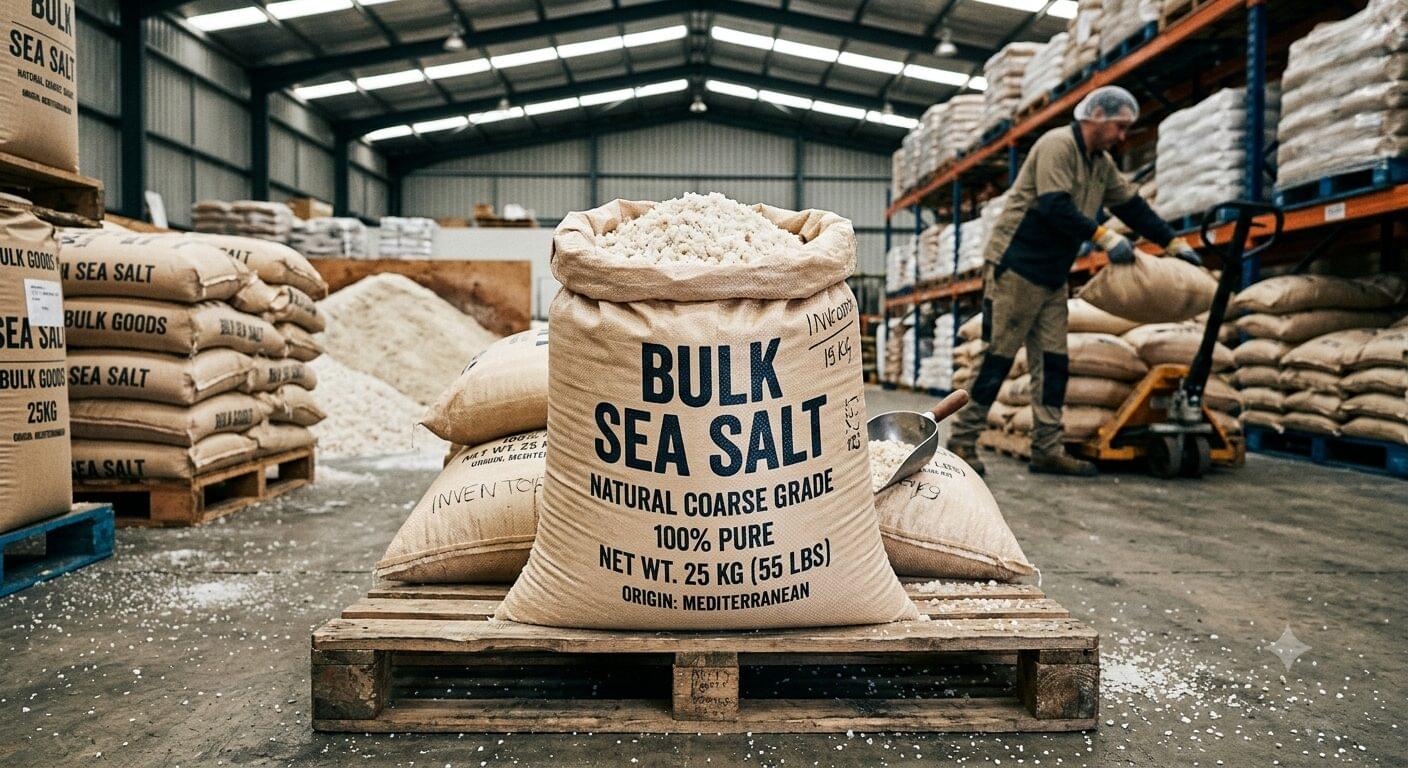
If you manage a restaurant, spa, or retail store, buying bulk sea salt genuinely saves real money over time. Bulk orders lower your per-unit cost significantly and guarantee a steady supply during your busiest sales season. Distributors across California, Texas, Florida, and New York have already switched to bulk sourcing for these exact reasons. Beyond the savings, bulk buying also opens the door to private labeling opportunities for ambitious, growing brands. You can sell pink himalayan sea salt under your own label without ever building a manufacturing factory yourself. Our private label program handles manufacturing, packaging, and full quality control entirely on your behalf.
How to Choose the Best Sea Salt for Your Kitchen
Choosing the best sea salt for your needs really depends on how you plan to use it daily. Fine grains suit baking, everyday seasoning, and quick weeknight cooking prep work in busy kitchens. Coarse grains and larger salt chunks work better for grilling, curing meat, or decorative serving boards at events. Before you commit to any supplier, always request lab analysis reports and certification documents upfront. This simple step confirms your salt contains no cheap fillers, artificial dyes, or hidden additives. A trustworthy exporter will always share these papers willingly, without hesitation, delay, or unnecessary excuses.
Pink Himalayan Sea Salt vs Ocean Sea Salt
A common question compares pink himalayan sea salt directly against regular ocean-harvested sea salt sold nearby. Ocean sea salt comes from evaporated seawater, which sometimes carries modern pollutants depending on the source location. Meanwhile, pink himalayan sea salt sits sealed inside mountain rock, protected from ocean pollution for millions of years. That isolation is exactly why many buyers trust its purity more than salt harvested from today’s oceans. Both salts share a similar sodium chloride base, so the real difference lies in mineral content and sourcing story. For buyers who value traceability, mined mountain salt often feels like the safer, more transparent choice overall.
How to Store Pink Himalayan Sea Salt Properly
Storing pink himalayan sea salt correctly helps it stay fresh and free-flowing for a very long time. Keep it inside a sealed glass jar, away from direct sunlight and steady kitchen moisture. Unlike many pantry items, this salt never truly expires, since its mineral structure stays stable for years. However, damp storage areas can cause clumping, so a dry cabinet always works best for daily use. A small wooden spoon or ceramic scoop also keeps outside moisture from reaching the jar. Following these simple habits protects your investment, especially when you buy bulk sea salt in larger quantities.
Pink Himalayan Sea Salt Comparison Table
| Salt Type | Source | Processing Level | Mineral Content | Best Use |
|---|---|---|---|---|
| Pink Himalayan Sea Salt | Mined from mountain rock (Khewra Salt Range) | Minimal — washed and ground only | High (iron, calcium, potassium, magnesium) | Cooking, grilling, finishing, private label |
| Regular Table Salt | Underground salt mines | Heavily refined, chemically treated | Very low, minerals stripped away | Everyday seasoning, baking |
| Ocean Sea Salt | Evaporated seawater | Light processing, sun-dried | Moderate, varies by ocean source | Finishing, baking, general cooking |
| Iodised Sea Salt | Sea or mined salt with added iodine | Processed plus iodine added | Moderate, plus added iodine | Daily household use, thyroid health support |
What Does Pink Himalayan Sea Salt Taste Like?
People often ask what pink himalayan sea salt tastes like compared with the salt they already use daily. Most describe the flavor as rounder, milder, and slightly less sharp than regular refined table salt. That gentle taste comes from its mineral content, which softens the harsh edge typical salt often carries. Because of this, many home cooks reach for it first when seasoning delicate dishes like fish or eggs. It also works beautifully in cocktail rims, homemade seasoning blends, and simple finishing touches on roasted vegetables. Once you switch, most customers say plain table salt suddenly tastes flat and one-dimensional by comparison.
Why US Businesses Trust Himalyan Pink Salt
At Himalyan Pink Salt, we run every single batch through strict quality checks before anything ships out. We test purity, grain size, and moisture content carefully, so quality never changes between separate orders. Because we manage the entire supply chain ourselves, customers receive consistent results every single time they reorder. We also guide US importers through FDA-compliant labeling requirements, so their products clear customs without unnecessary delays. Visit our Himalyan Pink Salt to see our full story, from the mountain mine to your warehouse door.
How to Place Your Order
Placing an order with Himalyan Pink Salt never feels complicated or slow, even for brand new customers. First, browse our product range and pick the grain size that fits your business needs best. Next, send your quantity and packaging details through WhatsApp, email, or our simple website contact form. Our team typically replies with a complete price quote within twenty-four hours of your message. Once you confirm the order, we begin manufacturing and packaging your shipment right away without any delay. After that, your goods leave Lahore and travel straight to your designated US warehouse address. Do you still have questions about pricing, minimum quantities, or custom branding options for your store? Our contact us page connects you directly with our friendly export team right away today.
Final Thoughts
Pink himalayan sea salt offers far more value than just a pretty color sitting on your spice rack. It brings real trace minerals, a gentler taste, and honest sourcing that regular table salt simply cannot match. Whether you cook at home or supply salt to an entire restaurant chain, this product delivers consistent results every time. Take a moment to compare different suppliers, check their certification papers, and confirm real transparency before you commit to buying. Doing this small bit of homework protects both your money and your brand’s long-term reputation with customers.
Frequently Asked Questions
1. What is pink himalayan sea salt actually used for in daily life?
People use it for cooking, baking, curing meat, and finishing plated restaurant dishes. Many also use it in bath products and decorative salt lamps at home.
2. Is pink himalayan sea salt healthier than regular table salt overall?
It contains trace minerals that regular table salt lacks after heavy processing removes them. However, sodium content stays fairly similar, so moderation still matters either way.
3. Can my restaurant buy pink himalayan sea salt in bulk quantities?
Yes, bulk orders are available with flexible minimum quantities based on grain size and packaging. Contact our team directly for a fast quote tailored to your business.
4. Does pink himalayan sea salt naturally contain iodine already?
It holds small trace amounts naturally, though not enough to meet daily recommended intake alone. Some buyers request iodized versions instead for their specific retail packaging needs.
5. How can I confirm my supplier’s salt is genuinely pure and safe?
Always request a lab analysis report or certificate of analysis before placing a large order. A transparent supplier will share these documents quickly, without hesitation or excuses.


