
Best Organic Pink Himalayan Salt: The Complete Buyer’s Guide for the USA
Are you searching for the best organic pink himalayan salt for your kitchen, spa, or store shelf? Himalayan Pink Salt created this guide to make your choice simple. First, you will learn what makes a salt truly natural. Next, you will compare grain sizes, uses, and quality signs.
Many American shoppers face the same problem. Labels promise purity, yet the bags often hide additives or weak sourcing. Therefore, this guide shows you how to read a label like a professional buyer.
Kitchen-Ready
Wholesale Available
Table of Contents
- What Is the Best Organic Pink Himalayan Salt?
- Where Himalayan Salt Comes From
- What “Organic” Really Means for Salt
- How to Spot Quality Before You Buy
- Grain Size Guide and Comparison Table
- Best Himalayan Pink Salt for Food
- Salt Blocks, Salt Cubes, and Pink Salt Crystals
- Himalayan Sea Salt vs Himalayan Rock Salt
- Pink Salt vs Regular Salt
- Benefits and Realistic Expectations
- Pink Curing Salt Is Not Himalayan Salt
- Uses Beyond the Kitchen
- Storage and Usage Tips
- Why Buy From Himalayan Pink Salt
- Frequently Asked Questions
What Is the Best Organic Pink Himalayan Salt?
The best organic pink himalayan salt is a natural rock salt with no added chemicals. Producers mine it from ancient underground deposits and crush it by size. In addition, they skip bleaching, anti-caking agents, and artificial color. As a result, the crystals keep their trace minerals and their soft pink tone.
Shoppers in the USA often ask what separates premium salt from ordinary salt. The answer starts with purity and ends with consistency. For example, a good batch shows even color, clean crystals, and a mild, rounded taste. Similarly, a poor batch shows dust, gray specks, or a harsh flavor.
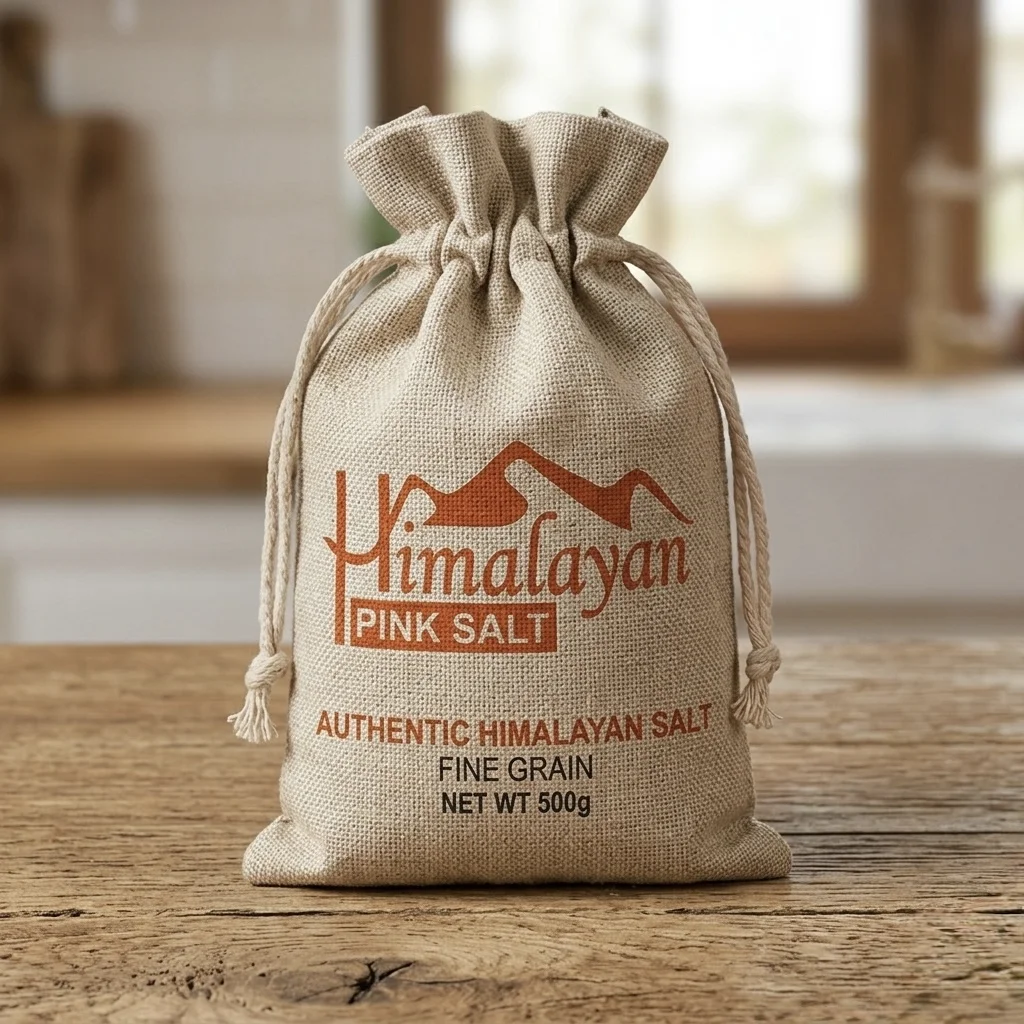
At Himalayan Pink Salt, we supply edible salt in several grades for home cooks, chefs, and retailers. Our range covers everything from powder-fine grains to large decorative chunks. Consequently, you can match the right grade to every job.
Unrefined
Crystals go from mine to bag with minimal processing and no bleaching.
Mineral-Rich
Trace minerals, mainly iron oxide, create the signature pink shade.
Additive-Free
A clean ingredient list should read simply: salt. Nothing else.
Versatile
One product family covers cooking, curing prep, décor, and animal care.
Where Best Organic Pink Himalayan Salt Comes From
Most Himalayan salt comes from deep mines in the Punjab region of Pakistan, near the Salt Range foothills. Long ago, vast seas evaporated there and left thick beds of salt. Later, layers of earth sealed those beds and protected them from modern pollution. This is why many buyers call the salt ancient and pure.
Geologists describe the deposit as sodium chloride with small amounts of other minerals. If you want neutral background reading, the general overview of Himalayan salt on Wikipedia explains the geology and history well. However, origin alone does not guarantee quality. Handling, grading, and packing matter just as much.
That is why we inspect each batch before it ships. Workers sort crystals by color and size. Then they pack the salt in clean, sealed bags. Finally, our team checks the bags for moisture and foreign matter.
What “Organic” Really Means for Salt
Here is an honest point most sellers skip. Salt is a mineral, not a crop. Because of this, it does not fit the usual USDA organic rules that apply to farm products. So when a label says organic himalayan salt, it usually means natural, unrefined, and free from additives.
We recommend that you treat “organic” as a purity promise, not a government seal. Look for a short ingredient list and a clear origin statement. Ask the seller for a lab report or a product specification sheet. A trustworthy supplier shares these documents without delay.
This approach protects you from confusing marketing. Moreover, it helps you compare products fairly. The best organic pink himalayan salt earns its name through transparency, not slogans.
How to Spot Best Organic Pink Himalayan Salt Before You Buy
You do not need a laboratory to judge salt at home. A few simple checks reveal most problems. Use the steps below when you evaluate any new supplier.
Check the Color and Crystal Shape
Genuine unrefined himalayan pink salt shows natural variation. You may see pale pink, deep rose, and a few white crystals in one bag. Meanwhile, salt with one flat, bright color often carries dye. Natural crystals also have irregular edges rather than uniform, glossy shapes.
Read the Ingredient Panel
The label should list only salt. Anti-caking agents such as calcium silicate signal extra processing. Likewise, added iodine or flow agents change the product. Some shoppers want those extras, but they do not belong in a truly unrefined product.
Ask About Testing and Packaging
Reliable suppliers test for heavy metals and impurities. In addition, they pack food-grade salt in food-safe bags. Ask about batch numbers, too. Batch tracking shows that the seller controls quality from mine to shipment.
Taste a Small Pinch
Good salt tastes clean and slightly sweet. Bitter or metallic notes suggest impurities. Therefore, always sample before you place a large order.
Grain Size Guide and Comparison Table for Best Organic Pink Himalayan Salt
Grain size decides how salt behaves in your recipe. Fine grains dissolve fast, while large pieces release flavor slowly. Use this table to match each grade to your goal.
| Salt Grade | Best For | Key Advantages |
|---|---|---|
| Extra Fine | Baking, shakers, table use | Dissolves instantly and blends evenly |
| Fine | Everyday cooking, brines | Flexible grain that suits most recipes |
| Coarse | Grinders, rubs, finishing | Bold crunch and visible pink color |
| Chunks | Decor, slow-dissolving uses, retail packs | Striking look and easy handling |
| Lumps | Display, gifting, bulk supply | Large natural pieces with strong shelf appeal |
Best Himalayan Pink Salt for Food
Many home cooks search for organic himalayan pink salt himalayan pink salt for food because they want a gentler flavor. Chefs like it for the same reason. Its mineral notes soften the sharp bite that some table salts leave behind. Moreover, its crystals add color to finished dishes.
Fine and Extra Fine for Daily Cooking
Choose fine grains for soups, sauces, and baked goods. They dissolve quickly, so you can season with control. In contrast, extra fine salt works best in delicate recipes such as pastry and dry mixes. Try our fine Himalayan pink salt for a dependable kitchen staple.
Coarse Pink Salt for Grinders and Rubs
Coarse pink salt suits pepper-style grinders and steak rubs. It clings to meat and forms a flavorful crust. Also, it makes a beautiful finishing salt for salads and roasted vegetables. Browse our coarse pink Himalayan salt when you want texture and color.
Seasoning Tips From Our Kitchen
Start with less salt than a recipe suggests. You can always add more, but you cannot remove it. Additionally, remember that coarse grains measure lighter by volume than fine grains. For accuracy, weigh your salt on a kitchen scale.
Salt Blocks, Salt Cubes, and Pink Salt Crystals
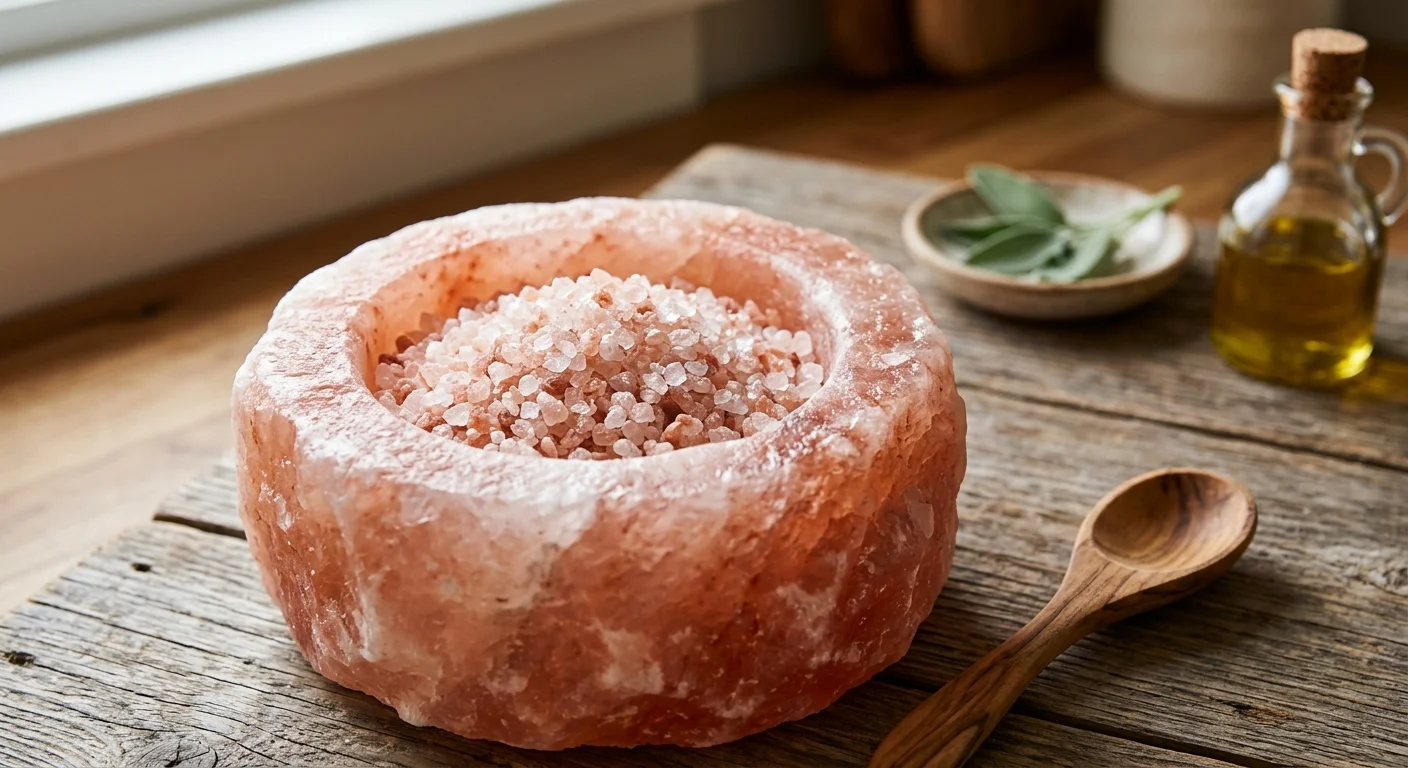
Salt also comes in solid forms that add flair to the table and the grill. A block of pink himalayan salt can serve as a cooking slab, a serving plate, or a curing surface. Meanwhile, a salt cube gives you a neat, portable piece for gifts or display. Each form releases flavor slowly, so it rewards patience.
Heat a cooking block gradually to prevent cracks. Start on low, then raise the temperature over thirty minutes. After cooking, wipe the surface with a damp cloth and dry it fully. As a result, your block can last for many meals.
Loose pink salt crystals suit grinders, bath blends, and decorative jars. Our Himalayan salt chunks and salt lumps give you natural pieces in useful sizes. Retailers love them because they look premium on a shelf.
Himalayan Sea Salt vs Himalayan Rock Salt
You will see both terms online, and they cause plenty of confusion. Himalayan sea salt refers to the ocean origin of the deposits. Himalayan salt rock salt refers to the way miners extract the material from the earth. In other words, both names describe the same natural product from different angles.
This is not the same as modern sea salt. Producers make regular sea salt by evaporating seawater today. Himalayan salt formed millions of years ago, then stayed buried underground. Therefore, it avoids many concerns that shoppers link to modern ocean pollution, such as microplastics.
When you compare labels, focus on grade and purity rather than the name. A clear origin statement and a clean ingredient list tell you far more than a catchy title.
Pink Salt vs Regular Salt
Regular table salt is finely ground, heavily processed, and often iodized. Manufacturers add anti-caking agents so it pours easily. Himalayan salt, on the other hand, keeps its natural minerals and skips most additives. The two also differ in crystal size, color, and flavor.
Does that mean you must replace every salt in your pantry? Not necessarily. Iodized salt still helps people who lack iodine in their diet. However, if you want a natural finishing salt, the pink option makes a lovely choice. Read our full breakdown of pink salt vs regular salt to compare taste, texture, and nutrition side by side.
Benefits and Realistic Expectations
Himalayan salt offers real advantages in flavor, texture, and presentation. It contains trace minerals, and it comes without common additives. In addition, its crunchy crystals make cooking more enjoyable. Our guide to the benefits of Himalayan pink salt covers these points in detail.
Still, we want to stay honest. The mineral amounts are small, so salt cannot replace a balanced diet. Furthermore, it remains mostly sodium chloride. The American Heart Association urges adults to limit sodium, no matter which salt they use.
Talk with your doctor if you follow a low-sodium plan. Then choose the best organic pink himalayan salt for flavor, and enjoy it in moderation. This balanced view builds trust with customers, and it keeps your claims accurate.
Pink Curing Salt Is Not Himalayan Salt
Many people mix up these two products because both look pink. However, they serve very different purposes. Pink curing salt contains sodium nitrite, and manufacturers dye it pink for safety. It preserves cured meats such as bacon and sausage.
You should never sprinkle curing salt on food like regular seasoning. Use it only in exact amounts from a trusted recipe. Learn the differences in our guide to pink curing salt before you start any curing project.
Uses Beyond the Kitchen
Himalayan rock salt serves many jobs outside the pantry. Its natural minerals and sturdy crystals make it practical for homes, farms, and winter roads. Below are the most popular uses among our USA customers.
Winter Ice Control
Coarse rock salt melts ice on driveways and steps. Snowy states like Minnesota, New York, and Colorado rely on it every winter. Compare your options in our guide to the best rock salt for ice.
Animal Salt Licks
Ranchers and hobby farmers use mineral salt to support their animals. Deer hunters place a deer salt lick to attract wildlife to a chosen area. Likewise, horse owners hang a Himalayan salt block for horses in the stall or pasture. Always check local hunting laws and follow your vet’s advice.
Storage and Usage Tips
Good storage keeps your salt dry, clean, and flavorful. Follow these simple rules to protect your purchase.
- Store salt in an airtight jar or the original sealed bag.
- Keep containers away from steam, sinks, and direct sunlight.
- Use a dry spoon so moisture never enters the jar.
- Label each jar by grain size to avoid mix-ups.
Himalayan salt does not spoil, but it can clump in humid rooms. If that happens, break the clumps and dry the salt on a baking tray at low heat. Afterward, refill the jar and seal it tightly.
What does unrefined Himalayan pink salt mean?
It means producers skip bleaching, dyes, and anti-caking agents. The salt keeps its natural minerals and color.
Is Himalayan salt better than regular salt?
It offers a milder taste and fewer additives. However, both salts are mostly sodium chloride, so moderation still matters.
How do I use a block of pink Himalayan salt?
Heat it slowly on low to prevent cracks. Then cook or serve food directly on the surface.
Does Himalayan salt expire?
No, it does not spoil. Keep it dry and sealed to prevent clumping.
Can I use Himalayan rock salt for ice?
Yes. Coarse rock salt melts ice on driveways and steps effectively.
Why Buy From Himalayan Pink Salt
Himalayan Pink Salt serves home cooks, restaurants, and wholesale buyers across the USA. We focus on clean sourcing, clear labeling, and dependable grading. Furthermore, our team answers questions quickly and explains every product honestly. Pick the option that matches your needs below.
For Home Kitchens
Shop fine and extra fine grades for daily cooking, baking, and table use.